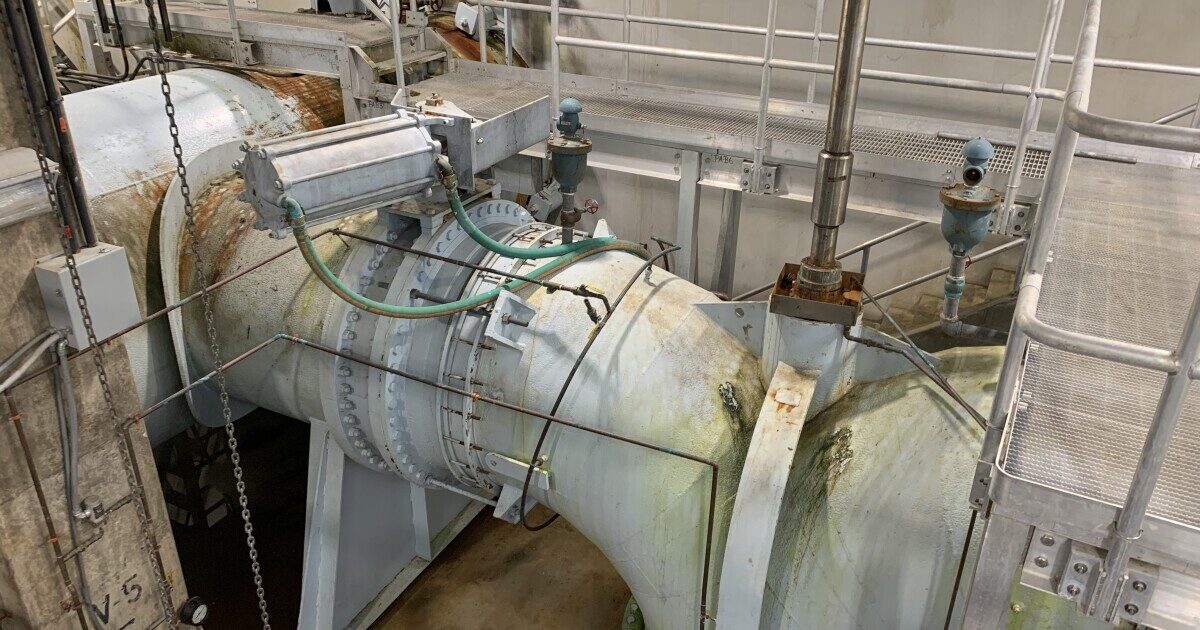
Baltimore City is taking precautionary measures as it faces a continuing drought, with its backup water supply system now ready for potential use. The Department of Public Works (DPW) has conducted tests at the Lake Montebello Filtration Plant, ensuring that the infrastructure is operational.
DPW Director Matthew Garbark emphasized the importance of being prepared, stating, "We are not at that point yet. We are hoping we're not going to have to get to that point, but better safe than sorry." The testing involved three pumps that draw water from the Susquehanna River, utilizing an extensive network of approximately 35 to 38 miles of piping.
Facilities Division Chief Herbert Naylor reported that the system performed well during the tests, which included flushing sediment from the pipes to ensure readiness for potential water supply needs. The last time the city relied on this backup source was over 20 years ago, during a major drought in the early 2000s.
Currently, Baltimore City draws from three primary reservoirs: Liberty, Loch Raven, and Pretty Boy. However, levels in these reservoirs are lower than usual, prompting voluntary water restrictions for residents. These restrictions are crucial, especially during the hot summer months, as evaporation rates increase.
Garbark noted that compliance with these restrictions is vital, stating, "With heat like this that we're experiencing, it's gonna be very critical that folks comply with them." While the river water meets quality standards, it is more challenging to treat and may have noticeable differences in taste and quality, which could lead to public complaints.
Officials have not set a specific timeline for when the backup supply might be utilized, but the potential need could arise as summer transitions into fall. Additionally, Garbark warned that swimming or entering the reservoirs is illegal and poses a risk of contamination.
Reported by HarborBeat based on WMAR-2 News (source).
0 Comments
Log in to join the conversation.