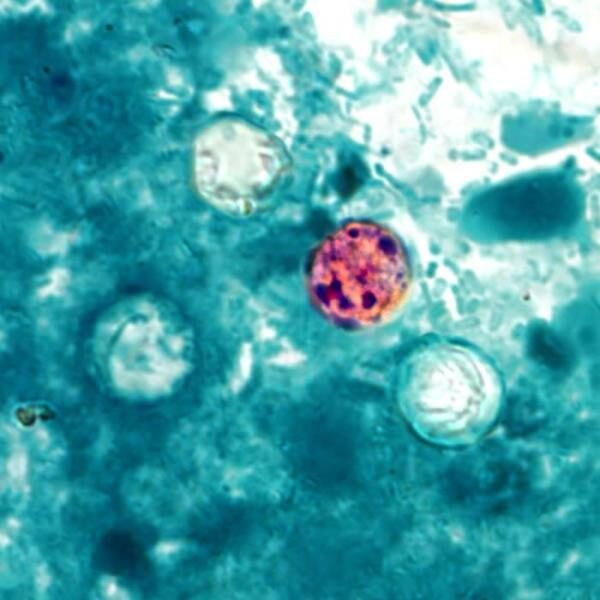
A recent outbreak of cyclosporiasis, caused by the parasite Cyclospora cayetanensis, is affecting individuals in at least 34 states, including Maryland, where reported cases have doubled in just one week.
According to the Centers for Disease Control and Prevention (CDC), from May 1 to July 13, the U.S. has seen 1,645 confirmed cases of cyclosporiasis, along with over 5,100 suspected cases. In Maryland, the Department of Health has confirmed 69 cases this year, with 65 occurring between May 1 and July 14.
The symptoms of cyclosporiasis can be severe and include explosive diarrhea, loss of appetite, weight loss, nausea, vomiting, and fever. Health officials have not yet pinpointed the exact source of the recent increase in cases, but contaminated produce such as lettuce, basil, cilantro, raspberries, and snow peas are commonly implicated.
Dr. Reezwana Chowdhury, a gastroenterologist at Johns Hopkins Hospital, advises families to avoid these high-risk foods. She suggests that individuals should steer clear of items without protective skins, stating, “My general motto right now is: if it doesn’t have an outside skin protecting it, I personally am avoiding it.”
The Maryland health department recommends thoroughly washing all fruits and vegetables before consumption to mitigate the risk of foodborne illnesses. However, certain items, like raspberries, pose challenges due to their complex surfaces. Chowdhury emphasizes that while some produce should be avoided, others like melons and pineapples can be safely consumed when peeled.
For those handling potentially contaminated produce, it is crucial to wash hands with soap and water after handling these items. Cooking food to a temperature exceeding 154 degrees Fahrenheit can effectively eliminate the parasite, and frozen foods are generally considered safe.
Symptoms of cyclosporiasis may take at least seven days to manifest after exposure. Individuals experiencing severe symptoms, particularly those at higher risk such as older adults, immunocompromised individuals, or young children, are urged to seek medical attention promptly. Healthcare providers should conduct specific stool tests to confirm the presence of the parasite.
Reported by HarborBeat based on Baltimore Fishbowl (source).
0 Comments
Log in to join the conversation.