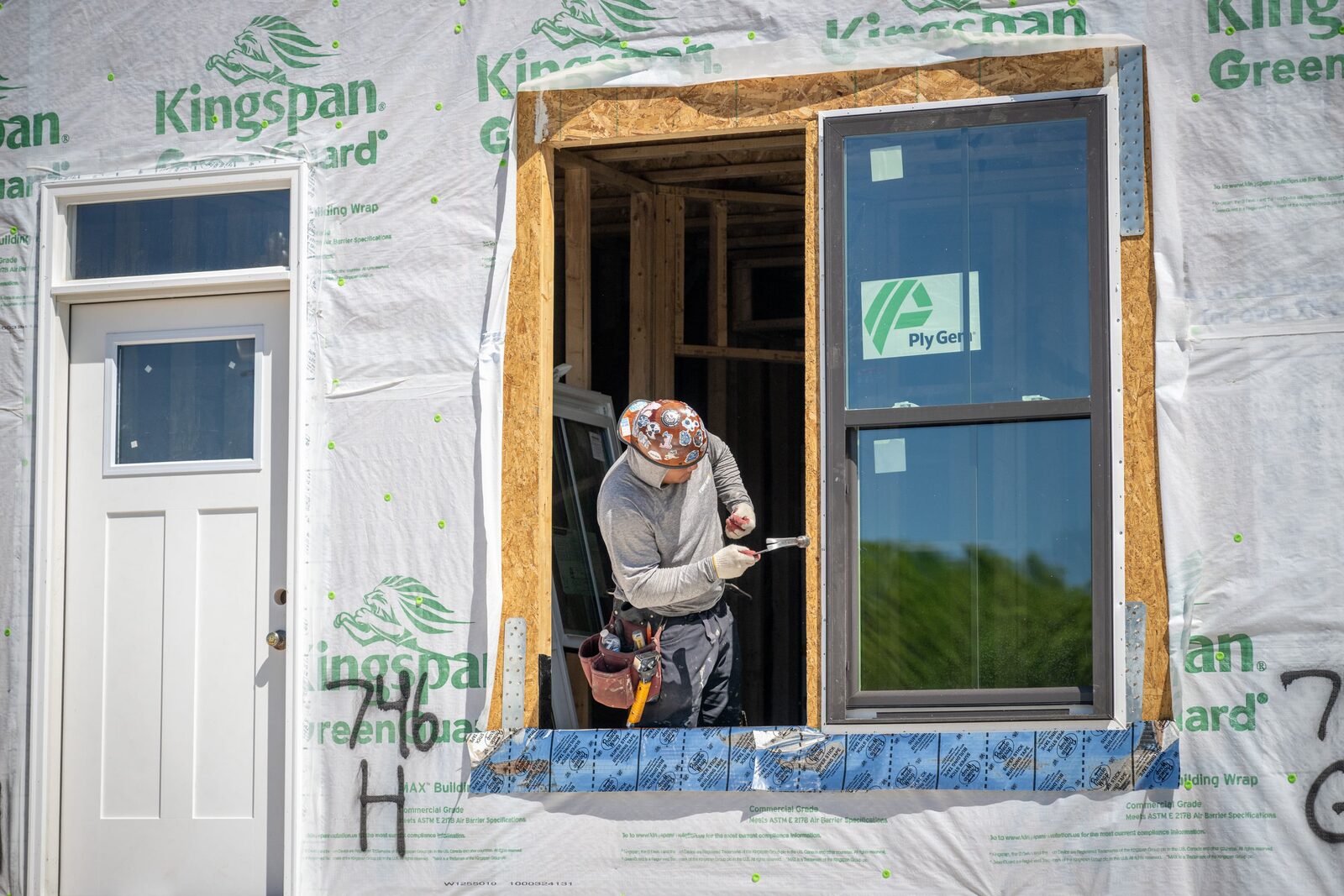
Maryland is poised to experience its lowest level of home construction since the Great Recession, prompting legislative action from Congress. Earlier this month, a bipartisan housing bill was enacted, aimed at revitalizing housing development across the nation, despite lacking President Trump’s signature. This legislation has been recognized as one of the most significant housing reforms in decades by both Democrats and Republicans.
Housing affordability consistently ranks as the top concern among Maryland residents. Local officials have attempted various strategies to tackle this issue, but the new federal law intensifies the urgency. It penalizes states that hinder housing development while providing incentives for those that promote growth. This means that Maryland’s eligibility for millions in federal funds is now tied to its housing production rate, especially in densely populated and high-cost areas.
According to data from the U.S. Census Bureau, Maryland is on track to issue fewer construction permits this year than in any year since the financial crisis of 2008. After a steady increase in permits following the recession, numbers surged during the COVID-19 pandemic but have since declined sharply in 2023 as interest rates rose. In 2022, nearly 23,000 permits were issued, with a notable shift toward multi-family units. However, in 2023, only about 13,000 permits have been issued, with a majority for single-family homes.
Maryland’s housing market has lagged behind national trends, with the Maryland Association of Realtors noting a significant shortage of available homes. President Denise Lewis highlighted the challenges faced by first-time homebuyers and low-income individuals, many of whom are relocating to more affordable states such as Delaware and Pennsylvania.
The new federal legislation includes measures that aim to address the housing crisis. It restricts investors from purchasing large quantities of existing rental properties while easing regulations for building new rental communities. Additionally, it establishes competitive grant opportunities for local governments to innovate housing solutions and allows for the transformation of vacant buildings into affordable housing.
Experts believe that the bill's penalties and incentives could motivate local governments to increase housing production. However, some argue that the legislation does not address critical factors such as tax policies and mortgage lending, which also significantly affect the housing market.
As Maryland grapples with its housing challenges, the implications for the state's economy and political landscape could be profound. Experts warn that without increased housing development, Maryland risks losing residents and political influence to states with more affordable living conditions.
Reported by HarborBeat based on The Baltimore Banner (source).
0 Comments
Log in to join the conversation.