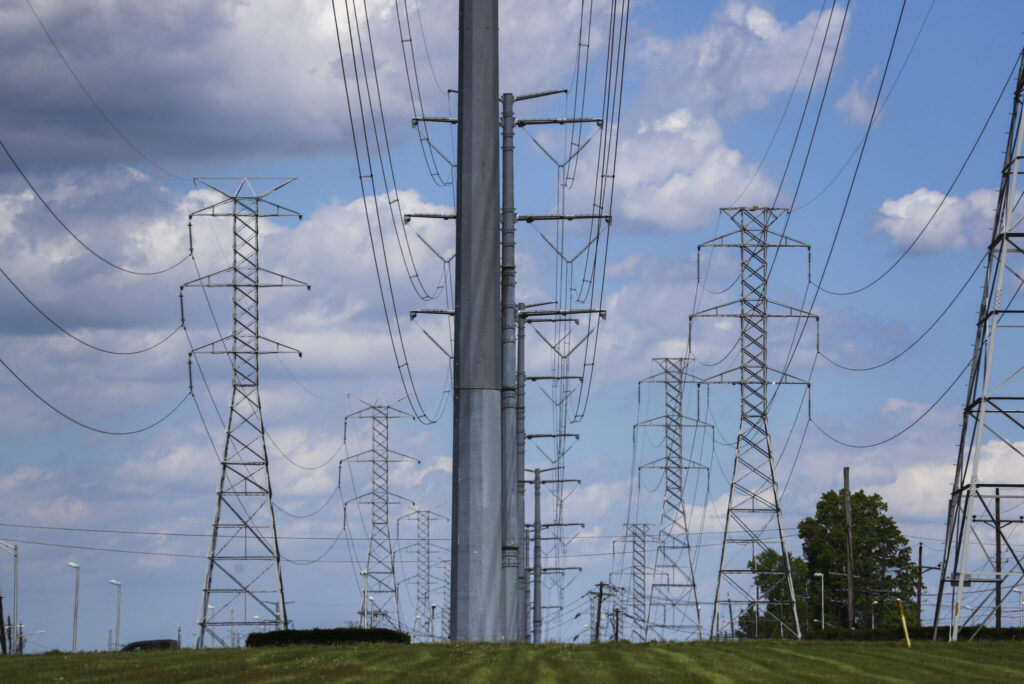
Maryland is taking significant steps to address rising electricity costs through its Utility RELIEF Act, which includes a renewed emphasis on battery storage solutions. The act aims to reduce household energy bills by at least $150 annually while enhancing regulations for utility companies and improving grid technologies.
With the arrival of summer, Maryland residents are bracing for increased electricity expenses as air conditioning units are turned on. Factors such as the growth of data centers, electrification of buildings, and geopolitical uncertainties have contributed to soaring energy prices. This situation highlights the urgent need for battery storage, which can help alleviate peak demand pressures and lower costs.
Battery systems are designed to store energy during off-peak hours and release it during periods of high demand, reducing reliance on costly peaker plants. This not only stabilizes wholesale electricity prices but also lessens the financial burden on consumers.
In 2023, Maryland established a target of 3 gigawatts (GW) for energy storage, with the Public Service Commission (PSC) tasked with developing an implementation plan. The Next Generation Energy Act, signed by Governor Wes Moore, further supports this initiative by directing the PSC to procure 1.6 GW of storage in two phases. The first round of bids for 800 megawatts was released in January, with decisions expected by October, while the second phase is set to begin next January.
As Maryland makes strides in energy storage, neighboring states are also advancing their initiatives. For instance, New Jersey's new governor has prioritized utility affordability and battery storage deployment, while Virginia has proposed a significant increase in its energy storage mandate.
Maryland's progress is crucial, especially as extreme weather events increasingly affect grid reliability. Residents who experienced power outages during the recent winter freeze understand the importance of a resilient energy system. The Utility RELIEF Act allocates $100 million from previously collected ratepayer funds to support solar and battery storage projects across the state.
As the PSC moves forward with its procurement efforts, it is imperative that Maryland does not lose sight of its 3 GW storage goal. The successful implementation of this initiative could stabilize energy costs for households facing economic challenges, ensuring Maryland remains competitive in the evolving energy landscape.
Reported by HarborBeat based on Maryland Matters (source).
0 Comments
Log in to join the conversation.