In response to the challenges faced by families of individuals detained by federal immigration agents, the Prince George's County Council has enacted emergency legislation aimed at facilitating the recovery of impounded vehicles. The measure, passed on Tuesday, addresses the difficulties families encounter when trying to retrieve vehicles that have been towed following an immigration arrest.
Currently, only the registered owner of a vehicle can reclaim it from a towing company, which often leaves families unaware of where their vehicles have been taken. The new law mandates that towing companies must release vehicles to family members or those residing in the same household as the detainee.
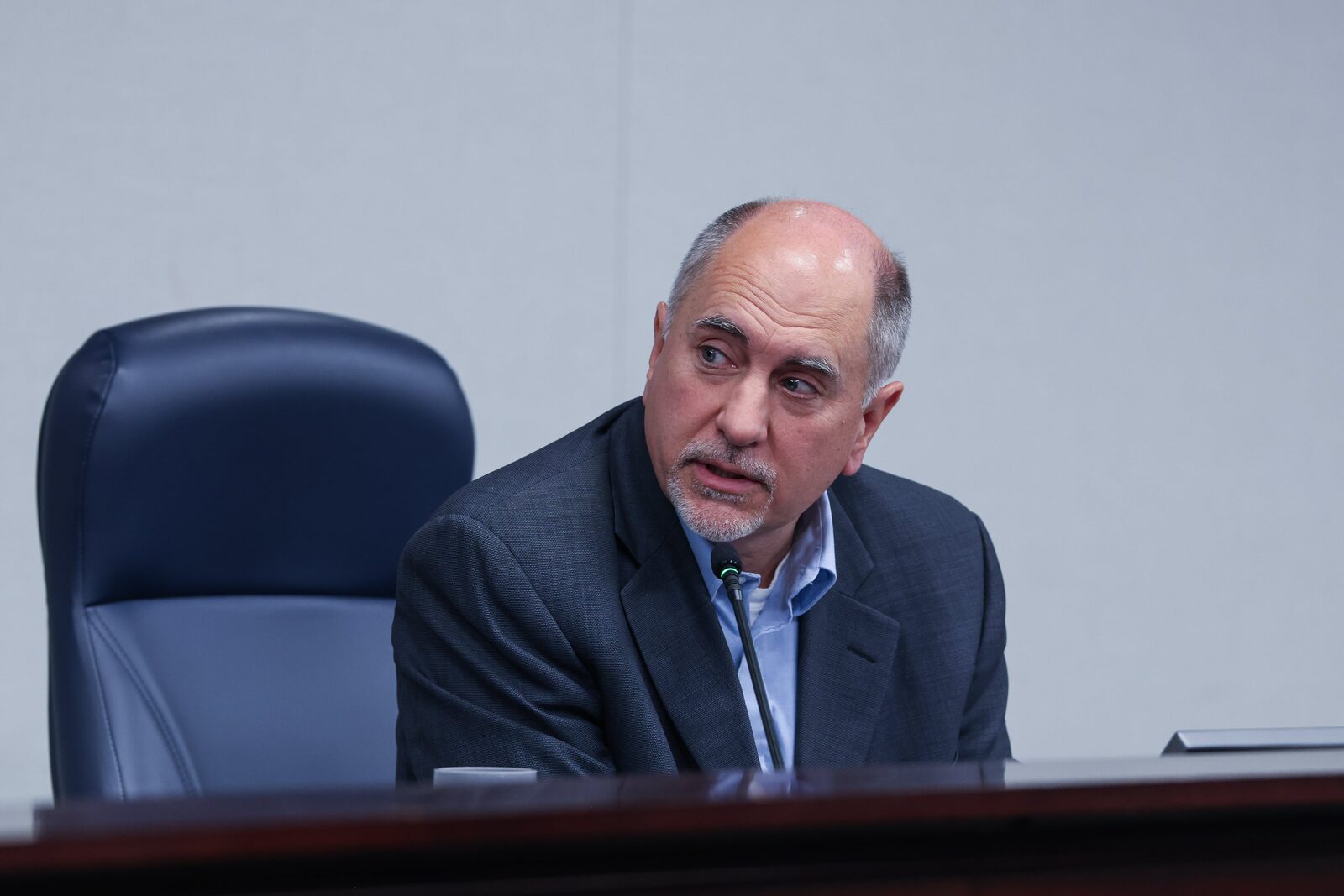
Sponsored by District 3 council member Eric Olson and supported by all 10 council members, the legislation draws inspiration from similar measures implemented in Montgomery County. Olson noted that discussions with local law enforcement revealed an uptick in the number of vehicles abandoned on the streets due to Immigration and Customs Enforcement (ICE) arrests.
According to the Immigrant Rights Collective, over 50 vehicles were left unattended in Prince George's and Montgomery counties between January and June of this year.
“These vehicles are a lifeline for families,” Olson remarked. “To be without a vehicle really impacts people’s ability to have jobs, get around and support a family. It’s important to make sure that families have access to those vehicles and that there’s not an even further burden on families.”
The new law stipulates that individuals can retrieve an impounded vehicle even if they are not the registered owner, provided they present a registration card and a valid photo ID. Acceptable forms of ID include consular cards, foreign government IDs, or identification from registered Maryland nonprofits. Additionally, a notarized letter from the vehicle's owner or a letter from an insurance company, lienholder, or rental car company is required.
If obtaining a letter is not feasible, the vehicle can still be released to a family member or household member who can provide identification and proof of their relationship or shared residency, such as a utility bill or lease.
The legislation also requires individuals retrieving vehicles to sign a “hold harmless” agreement and imposes a $500 fine for fraudulent attempts to reclaim vehicles. However, there are no penalties outlined for towing companies that fail to comply with the new regulations.
Furthermore, the police department or the county Revenue Authority is obligated to send an official notice of impoundment to the registered owner within seven working days. If the owner is known to be in custody, a copy of the notice must also be sent to the detention facility.
Council member Wanika Fisher, representing a significant Latino and immigrant population, expressed her understanding of the hardships faced by constituents when dealing with ICE. “A car is a necessity for most people; however, access to a car is especially important for immigrant and low-income families,” she stated.
Reported by HarborBeat based on The Baltimore Banner (source).
0 Comments
Log in to join the conversation.