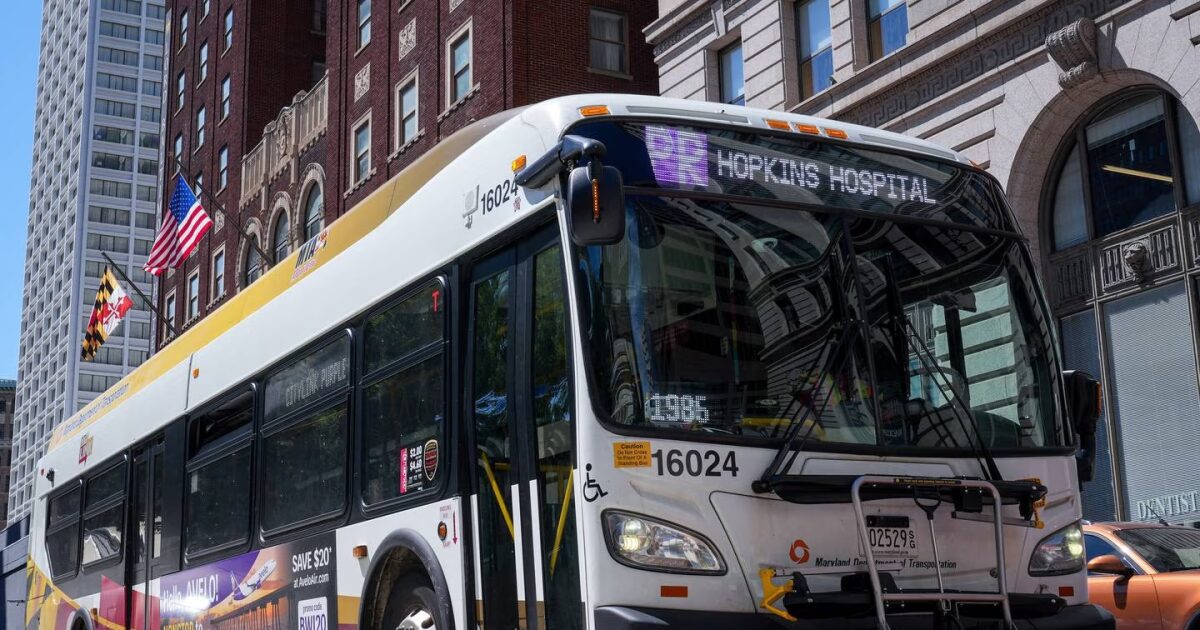
On January 20, Baltimore was abuzz with excitement as the Ravens faced off against the Houston Texans in the NFL playoffs. The atmosphere at M&T Bank Stadium was electric, despite the frigid temperatures. However, for some fans, the night also underscored significant transportation challenges in the city.
Micah Mysiuk, a Ravens supporter, encountered these difficulties firsthand when he and his brother decided to leave the game early. While his brother was able to take the metro home to Rosedale, Mysiuk found himself stranded at a bus stop in Riverside, waiting for a bus to Brooklyn, one of the city’s southern neighborhoods.
After waiting for about 30 minutes with no bus in sight, Mysiuk opted to walk home, navigating the icy sidewalks and a busy highway that Google Maps deemed unsafe for pedestrians. His journey highlighted the limited public transportation options available to residents in Brooklyn and Curtis Bay, where only two bus routes connect the area to the rest of the city.
According to data from the Baltimore Neighborhoods Indicators Alliance, approximately 30% of households in Brooklyn and Curtis Bay lack a vehicle, which aligns with the citywide average. Many residents face transportation challenges, particularly as a significant portion of the community lives below the poverty line.
Mysiuk expressed frustration with the lack of reliable transit options, especially during harsh weather conditions. That night, service disruptions were reported due to a shortage of drivers, a problem affecting transit systems nationwide. Maryland Transit Administrator Holly Arnold acknowledged the difficulties faced by the Maryland Transit Administration (MTA) that evening, attributing them to staff shortages.
In response to these challenges, community organizations like the Greater Baybrook Alliance are working to improve local mobility. Meredith Chaiken, the group's head, emphasized the need for safer pedestrian routes and bike paths to enhance access in the area. Collaborations with local partners aim to address transportation barriers that prevent residents from accessing essential services, such as healthcare.
City Councilwoman Phylicia Porter, representing District 10, has called for expanded transit options, including e-scooters and the Charm City Circulator, to better serve underserved neighborhoods. As the city grapples with transportation equity issues, the need for reliable public transit remains a pressing concern for many Baltimore residents.
Reported by HarborBeat based on WYPR (source).
0 Comments
Log in to join the conversation.