Baltimore City Public Schools has reported a total budget of $1.7 billion for this year, marking the highest financial allocation in its history. Despite this significant funding boost, the district continues to face challenges, maintaining its status as the lowest performing school district in Maryland regarding test scores and graduation rates. Nationally, it ranks among the lowest large school systems in the United States.
Critics have long pointed to the allocation of funds, suggesting that an excessive amount is directed towards the Central Office rather than into classrooms. A recent analysis of the district's employee salary database sheds light on the compensation of its top officials.
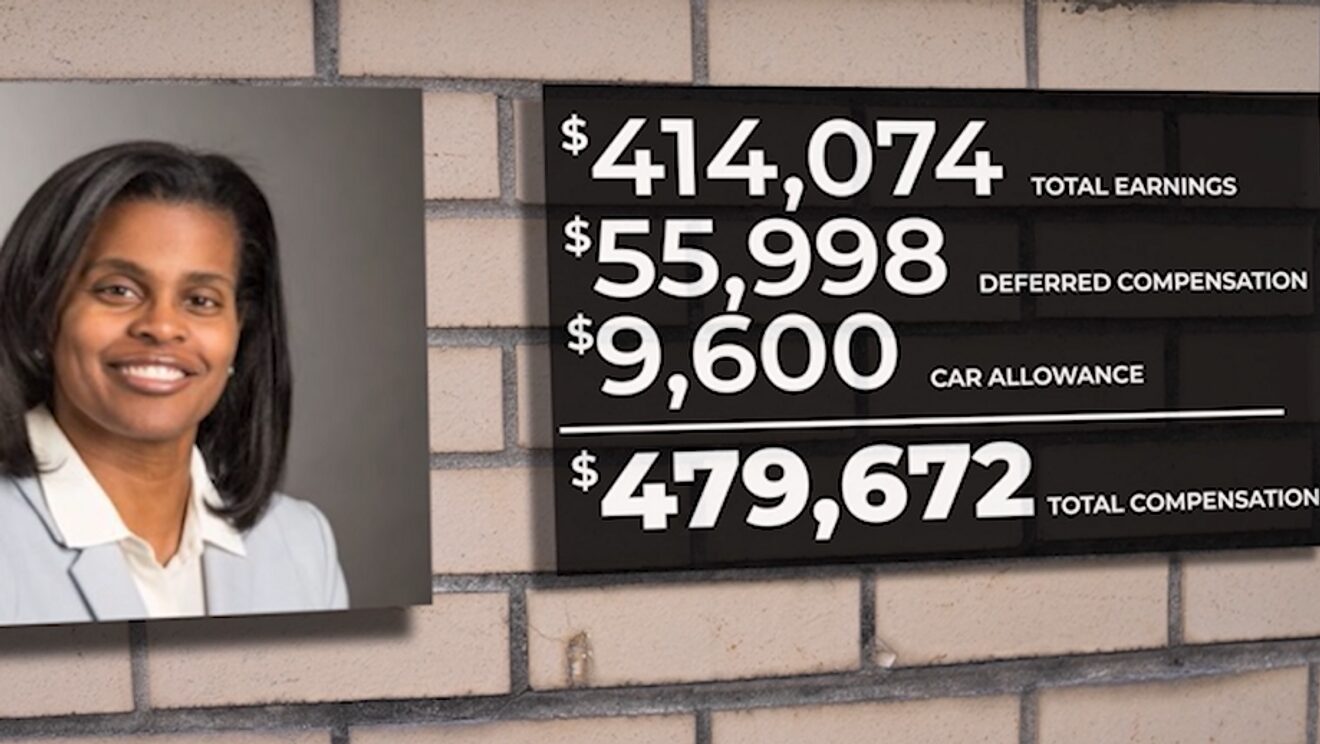
Dr. Sonja Santelises, the CEO of Baltimore City Schools, reported total earnings of $414,074 last year. However, this figure does not encompass her complete compensation package. In addition to her salary, she received over $55,000 in deferred compensation for retirement and a $9,600 car allowance, bringing her total compensation to approximately $479,672.
As the highest-paid employee in the district, Dr. Santelises' salary is closely followed by Jackie Williams, a temporary employee who earned $304,817 after retiring as principal of Baltimore Polytechnic Institute and being rehired for coaching roles. Williams' additional income was primarily due to cashing in sick and vacation days.
Other prominent earners include Josh Civin, the Chief Legal Officer, who made $244,014, and Christopher Doherty, the Chief Financial Officer, with $235,299. The Chief Operating Officer, Lynette Washington, rounded out the top five with a salary of $234,859.
In total, 23 employees within the Baltimore City Schools earned over $200,000 last year, a significant increase from the previous year when only 12 individuals reached that threshold. This rise in salaries coincides with a decline in student enrollment, which has dropped from 84,730 a decade ago to 75,811 this year.
Furthermore, Baltimore City Schools has some of the highest administrative costs per student in the nation, ranking eighth among the 100 largest school systems in the U.S. With the implementation of the Blueprint for Maryland’s Future, the district's budget is expected to continue growing in the years ahead.
Reported by HarborBeat based on WBFF (source).
0 Comments
Log in to join the conversation.