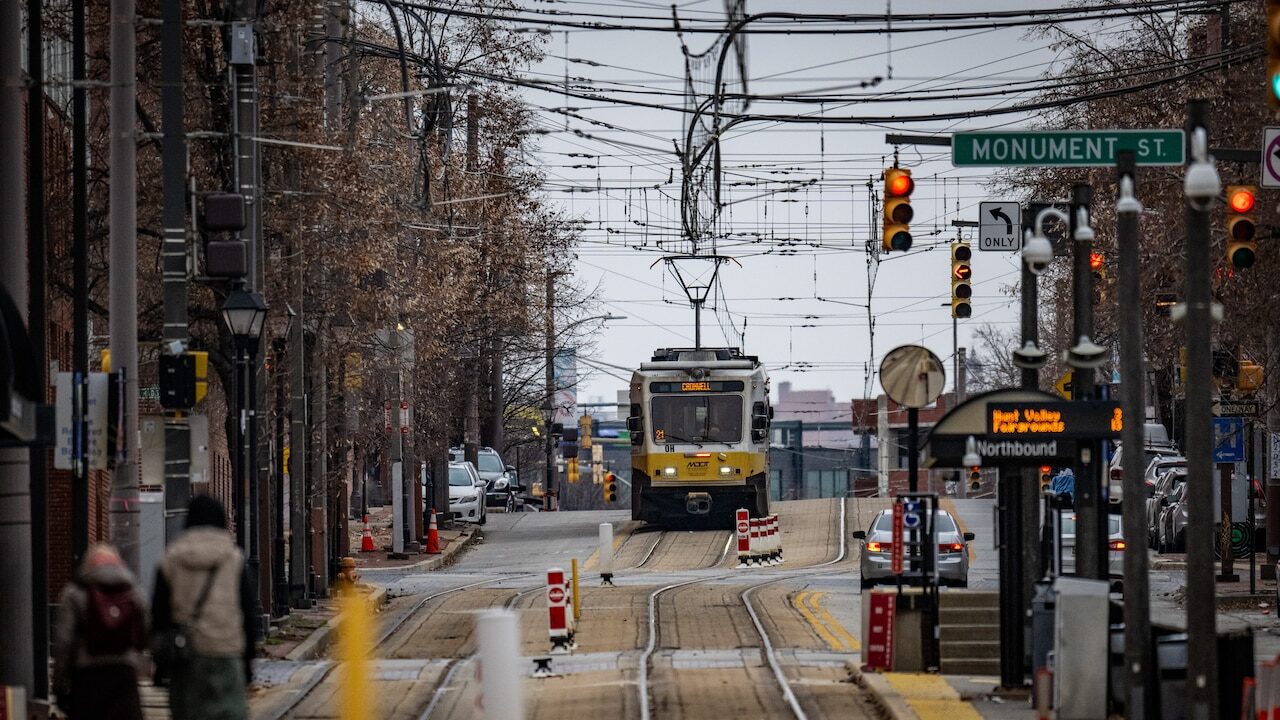
Baltimore's light rail system, previously facing potential cuts, will receive essential funding to replace its aging trains. Maryland Transportation Secretary Paul Wiedefeld announced that a significant federal grant aimed at modernizing the fleet will be preserved.
The state’s six-year transportation spending plan, recently released as part of Governor Wes Moore's budget proposal, includes previously postponed rehabilitation projects for the light rail line, which has been in operation for over three decades.
This funding is made possible by approximately $420 million in newly expected annual state revenue generated from recent fee and tax adjustments. These changes include a 75-cent fee on food and retail delivery services and an increase in vehicle emissions inspection costs, marking the first hike since 1997. The gas tax, a traditional source of transportation funding, is being reconsidered as the state seeks new revenue streams.
The updated Consolidated Transportation Program totals $21.2 billion, reflecting a 5% increase from the previous year. This budget allocates resources for various projects, including the replacement of buses and trains, road repairs, and improvements at Baltimore-Washington International Thurgood Marshall Airport.
Despite the budget increase, the Maryland Transit Administration (MTA) had initially projected a $380 million shortfall for modernization projects necessary for the new railcars to function properly. Without addressing this gap, the state risked losing the federal grant announced in February, which is dedicated to acquiring new rail vehicles.
Wiedefeld emphasized the importance of maintaining safety and economic growth in project selection, aiming to rectify years of disinvestment in the state's transportation infrastructure. The finalized budget will enable the MTA to meet its spending requirements for essential maintenance and rehabilitation work, ensuring that Baltimore's public transit remains operational and reliable.
While the budget does not include as many expansion projects as some advocates had hoped, its focus on preservation is expected to address the backlog of necessary repairs, thereby positioning the state to secure additional federal funding for future infrastructure developments.
Reported by HarborBeat based on thebanner.com (source).
0 Comments
Log in to join the conversation.