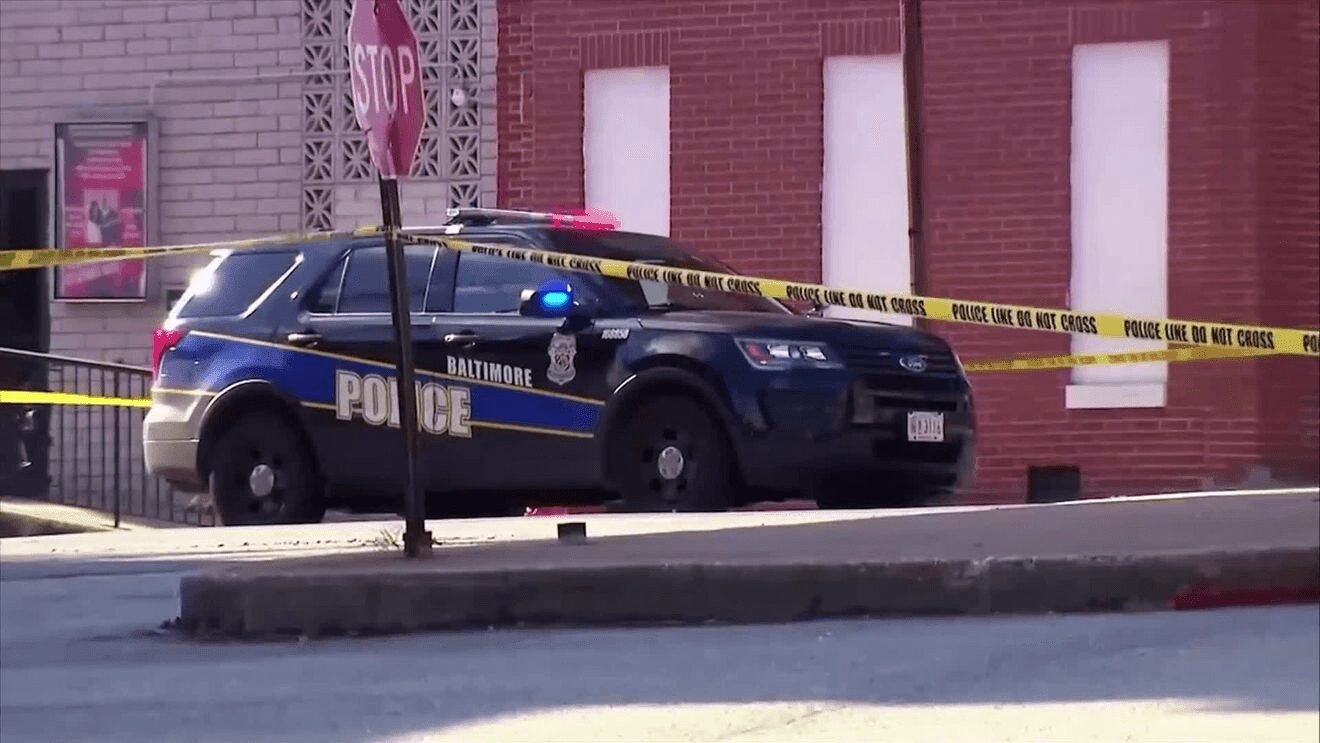
BALTIMORE — The Baltimore Police Department is responding to interpretations of recent juvenile crime statistics, particularly regarding carjacking arrests. While there has been an increase in arrests among young offenders this year, police officials assert that this trend does not necessarily indicate a rise in overall crime rates.
Newly released figures from the Baltimore Police show that juvenile arrests have decreased by 17% compared to the same period last year, dropping from 385 to 318. However, carjacking arrests among juveniles have surged by 80%, from 10 last year to 18 this year. Notably, in 16 of these incidents, the juveniles involved were armed.
Despite the uptick in arrests, a police spokesperson highlighted that this increase is a result of more focused enforcement efforts, rather than a spike in carjacking incidents, which have actually fallen by 38% citywide.
Former Deputy Commissioner Jason Johnson emphasized the complexity of understanding juvenile crime trends, stating, “We’re not able to indicate whether a crime was committed by a juvenile or not when the perpetrator is unknown.” He noted that the data can sometimes contradict public perceptions of crime in the city.
Johnson further pointed out that while arrests may be rising, there is a concerning trend of repeat offenders returning to the streets. Earlier this year, three teenagers were arrested for an armed carjacking in East Baltimore, with prior offenses including robbery and auto theft.
Caitlin Morrell, a victim of a carjacking incident involving juveniles in 2022, expressed frustration over the perceived leniency in the legal consequences for young offenders. Morrell recounted her experience of being held at gunpoint and later learned that the convicted suspect faced minimal punishment due to his age.
In response to ongoing concerns about repeat juvenile offenders, the Baltimore Police Department has initiated regular meetings with the Department of Juvenile Services aimed at improving decision-making regarding court supervision and interventions. A BPD spokesperson noted that these efforts seek to address behaviors that current interventions have failed to change.
“That is just a cycle there that seems like it would be easy to break, but yet here we are still talking about it,” Johnson added, reflecting on the challenges of addressing juvenile crime in Baltimore.
Reported by HarborBeat based on WBFF (source).
0 Comments
Log in to join the conversation.