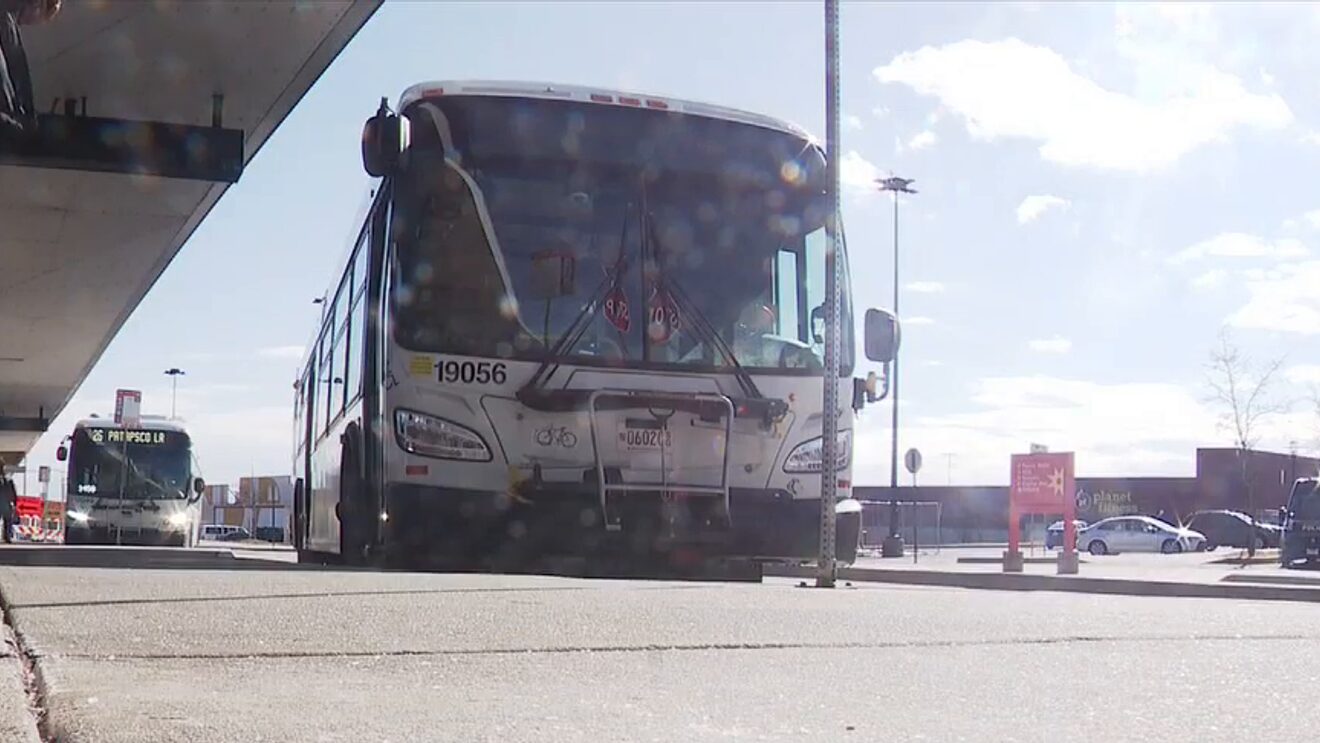
In Northwest Baltimore, riders at Mondawmin Station are facing significant challenges with public transit as a shortage of bus drivers continues to disrupt service. Commuters report frequent delays and cancellations, leading to frustration for those relying on the Maryland Transit Administration (MTA) buses.
Cariter Manns, a daily bus user, shared her experience, stating, "I’m late for work because of this. It’s just a mess, it really, really is." She noted that she often leaves home two hours early to ensure she arrives on time, aware of the likelihood of delays.
Another passenger, Devin James Jr., echoed her sentiments, saying, "Everyday!" when asked how often buses are late. The situation has become so dire that on a single Friday, the MTA issued alerts for over 27 bus routes across the state, attributing many of these issues to the ongoing driver shortage.
In a statement, the MTA acknowledged that this problem is not unique to Baltimore, as major cities nationwide are grappling with similar challenges. To address the situation, the Maryland Department of Transportation (MDOT) MTA is working on a new bargaining agreement aimed at improving wages and benefits for drivers.
Despite these efforts, riders are concerned about the accuracy of information provided by transit apps. Manns pointed out that while the app indicated a bus was scheduled for 11:07 AM, it was nearly noon before it arrived. James added, "The app is never right," further highlighting the reliability issues faced by commuters.
In response to the transit crisis, newly elected Governor Wes Moore has proposed a budget that includes $500 million for transportation projects and appointed Paul Wiedefeld as the new Transportation Secretary. Many hope these changes will lead to improved service and reduced wait times for bus riders.
Off-camera, some bus drivers reported that the shortage is forcing them to work extensive overtime, often clocking in 80 to 90 hours a week. As riders look for solutions, they are eager for improvements that will allow them to return to their daily routines without the stress of unreliable bus service.
Reported by HarborBeat based on WBFF (source).
0 Comments
Log in to join the conversation.