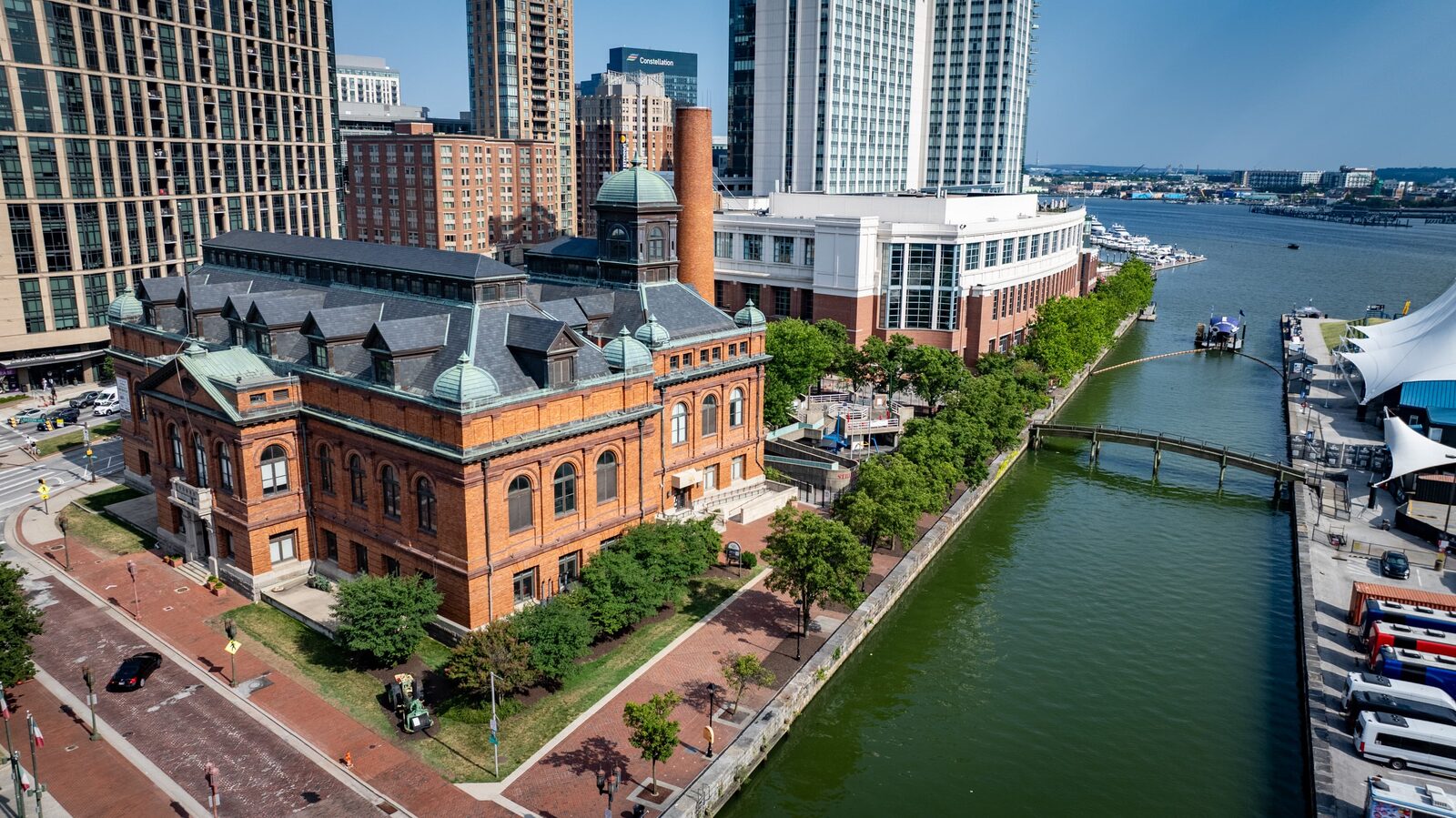
Baltimore’s Eastern Avenue Pumping Station, an architectural gem in the city, is slated for a major renovation costing $63 million. The station, which features a striking façade of orange and red brick, large arched windows, and a distinctive mansard roof with a weathered smokestack, has served the city since its completion in 1912.
Chris Stielper, who has worked at the station for over 50 years, expressed his admiration for the building, noting its historical significance and aesthetic appeal. The station plays a critical role in the city’s wastewater management, handling approximately 20 million gallons of sewage daily from Central and East Baltimore before transporting it to the Back River Wastewater Treatment Plant in Essex.
The upcoming renovations will include replacing the aging pumps, which have been in operation since 1960 and are estimated to be 15 years past their expected lifespan. Additionally, the project will address electrical upgrades, HVAC improvements, and structural enhancements. These upgrades are part of a broader effort to modernize Baltimore's aging water infrastructure, especially in light of recent incidents involving sewer system failures in the region.
While the city has increased rates for water and sewer services, officials believe the investment in the Eastern Avenue station is necessary to prevent more costly repairs in the future. Michael Hallmen, deputy bureau head for wastewater at the Department of Public Works, emphasized the importance of the upgrades, stating that the city must act now to avoid higher expenses down the line.
The Eastern Avenue Pumping Station is not just a functional facility; it represents a significant chapter in Baltimore’s history. Following the Great Baltimore Fire of 1904, city leaders recognized the need for a modern sewage system, leading to the construction of the station. It was once considered the largest sewage construction project globally and marked a turning point in the city’s sanitation efforts.
Architect Henry Brauns designed the station in the Second Renaissance Revival style, a nod to the grandeur of Medici-era Italy, making it a unique structure in the landscape of utility buildings. As renovations begin, the city aims to preserve both the functionality and the historical integrity of this vital piece of Baltimore's infrastructure.
Reported by HarborBeat based on The Baltimore Banner (source).
0 Comments
Log in to join the conversation.