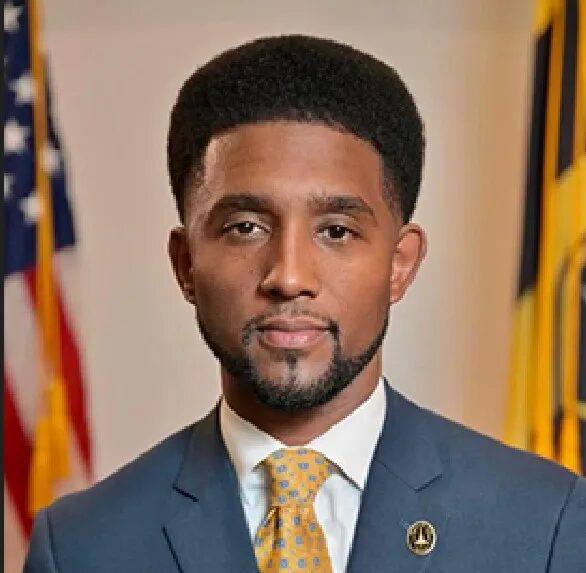
Baltimore Mayor Brandon M. Scott has announced his preliminary budget for fiscal year 2027, totaling $4.98 billion. This budget addresses a $12 million structural deficit and allocates $1.06 billion for capital projects, marking a nearly 14 percent increase from the previous year.
The budget proposal emphasizes funding for youth programs, infrastructure enhancements, and economic development initiatives. To balance the budget, city officials have proposed cutting over 200 long-vacant positions and reducing certain reserve funds.
A key feature of the budget is a $15 million one-time economic development fund, which aims to provide the city with the flexibility to attract new businesses, facilitate property acquisitions, and finalize development deals that could create jobs and expand the tax base.
The budget also prioritizes youth initiatives, allocating $16.5 million to the YouthWorks summer jobs program, which is expected to create approximately 8,500 job opportunities for young residents.
In addition to youth programming, the budget includes $2.3 million to enhance shelter operations, reflecting the city’s commitment to modernizing its homeless services.
On the capital side, Baltimore plans to invest over $1 billion in infrastructure projects. This includes $157 million for the West Baltimore United initiative to revamp the Highway to Nowhere, $20 million for a new youth sports complex, and $35.3 million dedicated to the Northeast Police District. Additional funds will go towards bridge repairs, ADA sidewalk upgrades, and traffic improvements.
City officials noted that much of the infrastructure spending is contingent on maintaining the city’s share of highway user revenue from the state. Fiscal year 2027 represents the final year of a temporary increase in these receipts, and officials are advocating for an extension to maintain funding levels.
To address the structural deficit, the budget employs several cost-saving strategies, including the elimination of long-unfilled positions and a reduced contribution to the city’s rainy day fund, which is nearing its target of $200 million.
City Administrator Faith Leach indicated that the transition to in-house staffing will take time as agencies work to modernize roles and train existing employees.
The preliminary budget will be presented to the Board of Estimates on April 22 and subsequently reviewed by the Baltimore City Council, which has until June 26 to approve the final budget.
Reported by HarborBeat based on AFRO American Newspapers (source).
0 Comments
Log in to join the conversation.