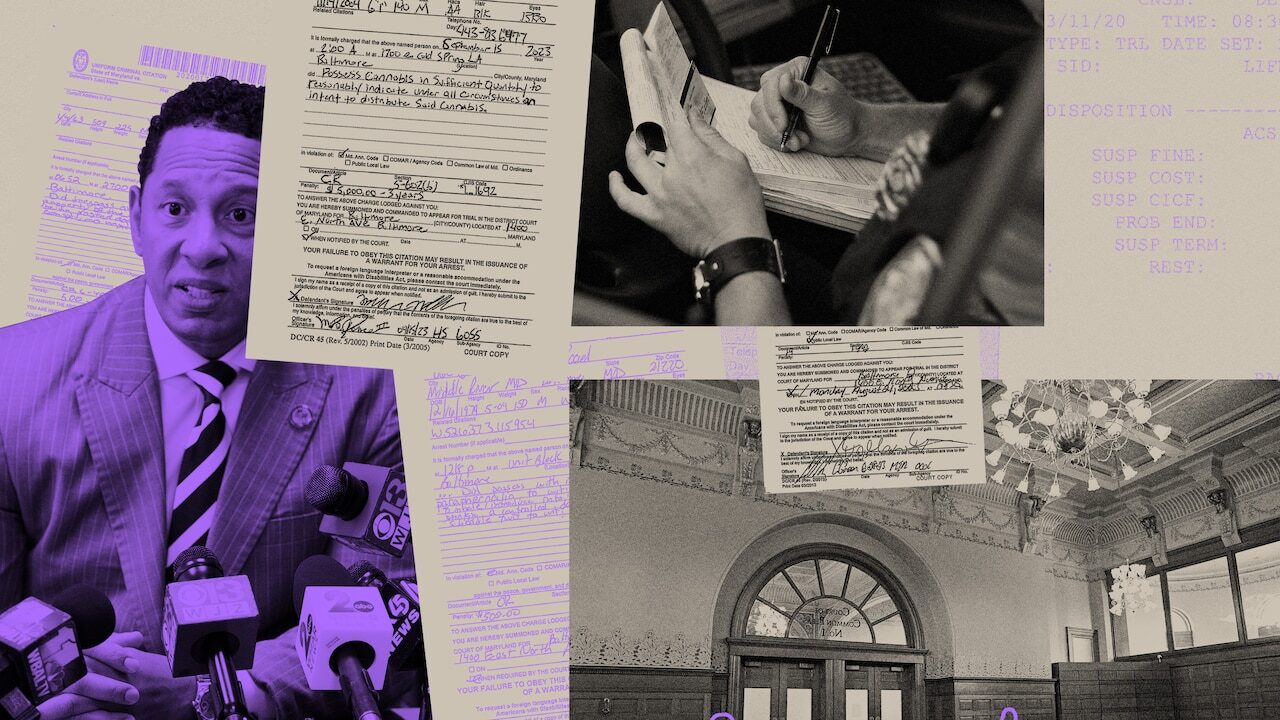
After taking office, Baltimore State’s Attorney Ivan Bates swiftly moved to reinstate the prosecution of low-level, nonviolent crimes, reversing a policy established by his predecessor, Marilyn Mosby. Mosby had halted these prosecutions during her second term due to the COVID-19 pandemic, later making the change permanent based on data suggesting reduced arrests did not compromise public safety.
In July, Bates launched a citation docket in collaboration with the Maryland Judiciary, aiming to hold individuals accountable while also providing access to social services. This initiative has garnered significant public support, with a recent Goucher College Poll indicating that 58% of respondents favored increased prosecution for quality-of-life offenses.
However, an analysis by the Baltimore Banner reveals that police have issued a limited number of citations since the program's inception. Over the first six months, only 50 citations have been recorded, and just three have proceeded to court. Notably, nearly 30% of these cases involved business license violations, raising questions about the effectiveness of the initiative.
Bates acknowledged the challenges of implementing this vision, emphasizing that success should not be measured solely by the number of cases on the docket. He likened the process to a mall with only a few tenants, indicating that more time is needed to develop the program fully.
Supporters like Baltimore City Councilman Mark Conway express optimism but share concerns about the slow rollout of the initiative. "It’s not working right now, because we’re not really doing it," he stated.
The citation docket is held monthly, allowing individuals cited for various offenses, including drug possession and aggressive panhandling, to address their cases. Those eligible may have their cases dismissed upon completing community service, though exclusions apply for individuals facing violent crime charges.
Recent sessions have seen minimal attendance, with only two individuals appearing at a recent docket session. One attendee, Bryan Peters, opted for community service rather than a trial after being cited for trespassing.
While Bates continues to promote the program, the lack of citations and the limited engagement with social services raise questions about the initiative's impact on Baltimore's approach to nonviolent offenses.
Reported by HarborBeat based on thebanner.com (source).
0 Comments
Log in to join the conversation.