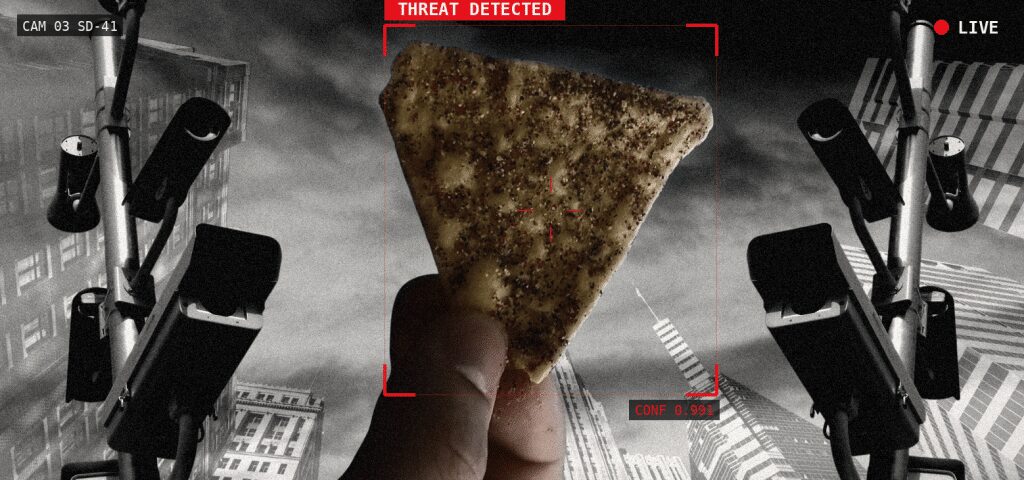
A recent incident at Kenwood High School in Baltimore County has sparked outrage and concern regarding the use of artificial intelligence in school safety measures. Sixteen-year-old Taki Allen was waiting for a ride home with friends after football practice when eight police cars responded to an alert triggered by an AI gun detection system.
Officers arrived on the scene with weapons drawn, instructing Allen to kneel and placing him in handcuffs. The object that prompted the police response? A crumpled bag of Cool Ranch Doritos, which the AI system misidentified as a potential threat.
This incident has raised serious questions about the implications of deploying AI technologies in schools, especially given the existing biases that may be inherent in such systems. Allen's grandfather expressed deep concern, highlighting the fear that many parents share regarding the safety of their children in school environments.
As schools across the nation consider investing in AI surveillance technologies, educators, parents, and community members are debating the potential risks and benefits. Proponents argue that these systems can enhance safety, while critics warn that reliance on AI can perpetuate existing prejudices and lead to harmful outcomes for students, particularly Black youth.
Baltimore City Councilman Mark Conway addressed these concerns during a recent hearing, noting the lack of federal oversight regarding AI systems used in schools. He emphasized the challenges local jurisdictions face in navigating complex safety technologies without adequate support or guidance.
Experts, including Chaz Arnett from the University of Maryland, have echoed these sentiments, stressing the need for accountability among school districts that choose to implement such technologies. They argue that while the intention behind AI systems is to promote safety, the potential for misidentification and the resulting consequences can be detrimental.
As discussions continue around the role of AI in school safety, community leaders are urging policymakers to establish regulations that protect students from the potential harms of surveillance technologies.
Reported by HarborBeat based on The Kansas City Defender (source).
0 Comments
Log in to join the conversation.