Recent discussions surrounding a proposed overhaul of Maryland's juvenile justice system have sparked significant backlash from local law enforcement and prosecutors. A report from the Commission on Juvenile Justice Reform and Emerging and Best Practices suggests eliminating the automatic transfer of juveniles to adult court for certain violent offenses, advocating instead for all cases to be initiated in juvenile court.
The report argues that the current automatic charging statute is overly broad, resulting in many young individuals being funneled into the adult justice system, with most cases ultimately being dismissed or returned to juvenile court.
However, numerous State's Attorneys and Sheriffs have raised concerns about the validity of the data underpinning this recommendation. Baltimore City State’s Attorney Ivan Bates emphasized the seriousness of the offenses in question, stating that violent crimes must be met with accountability.
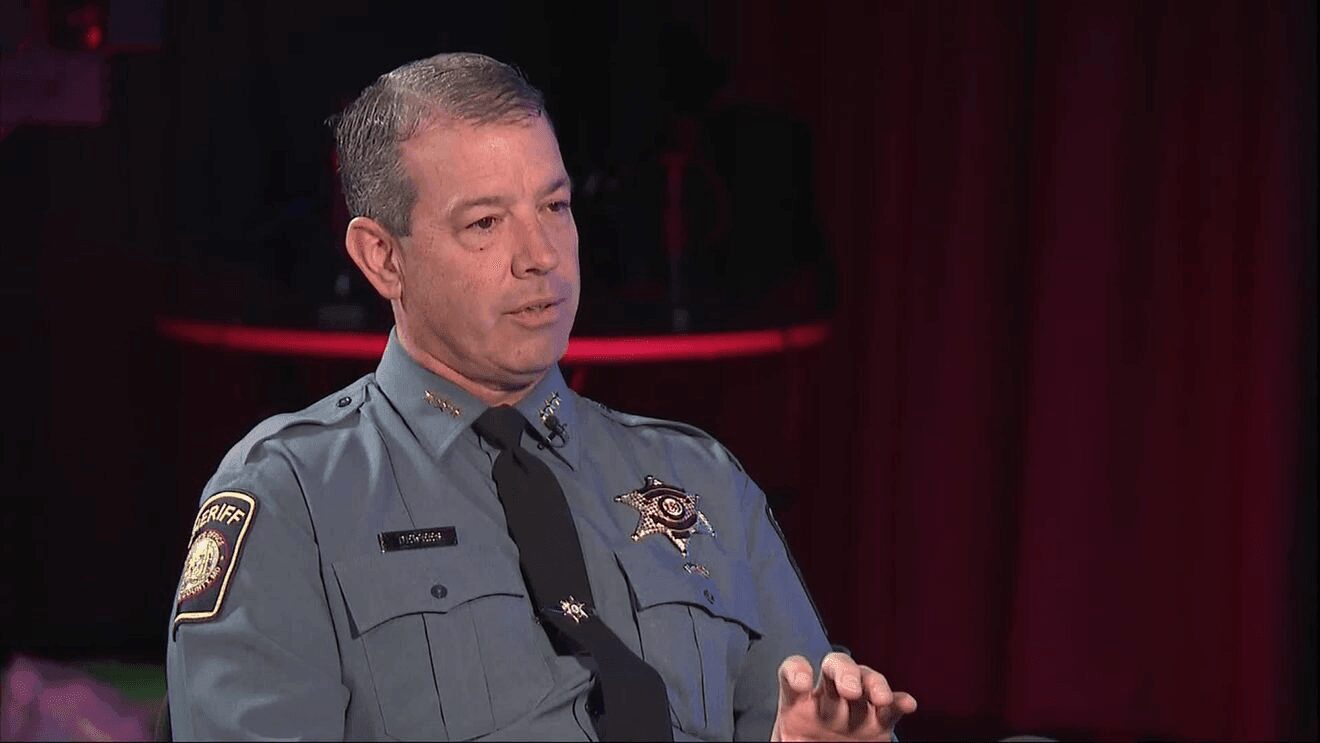
Carroll County Sheriff Jim Dewees expressed distrust in the juvenile court system, highlighting what he perceives as capacity issues within the Department of Juvenile Services (DJS), including bed shortages and inadequate monitoring of repeat offenders. He questioned the logic behind increasing the number of cases handled by a system already struggling to manage its current workload.
Rich Gibson, Howard County State’s Attorney, echoed these sentiments, arguing against the influx of additional juvenile cases into a strained system.
Commission chair and retired Judge Andre Davis defended the report's findings, asserting that 85% of cases charged in adult court are eventually dismissed or reverted back to juvenile court. However, he acknowledged the need for clarity regarding the data sources, as some law enforcement officials have expressed skepticism about the accuracy of the figures.
Many critics, including Caroline County Sheriff Donald Baker, have pointed out that independent sources such as the courts and law enforcement were not consulted in the creation of the report, raising questions about its credibility.
The commission, comprised mostly of agency officials and advocacy groups, has faced criticism for the limited representation of law enforcement on the panel, which may have influenced the recommendation.
As the debate continues, the future of Maryland's juvenile justice system remains uncertain, with both sides calling for a thorough examination of the data and its implications for public safety.
Reported by HarborBeat based on WBFF (source).
0 Comments
Log in to join the conversation.