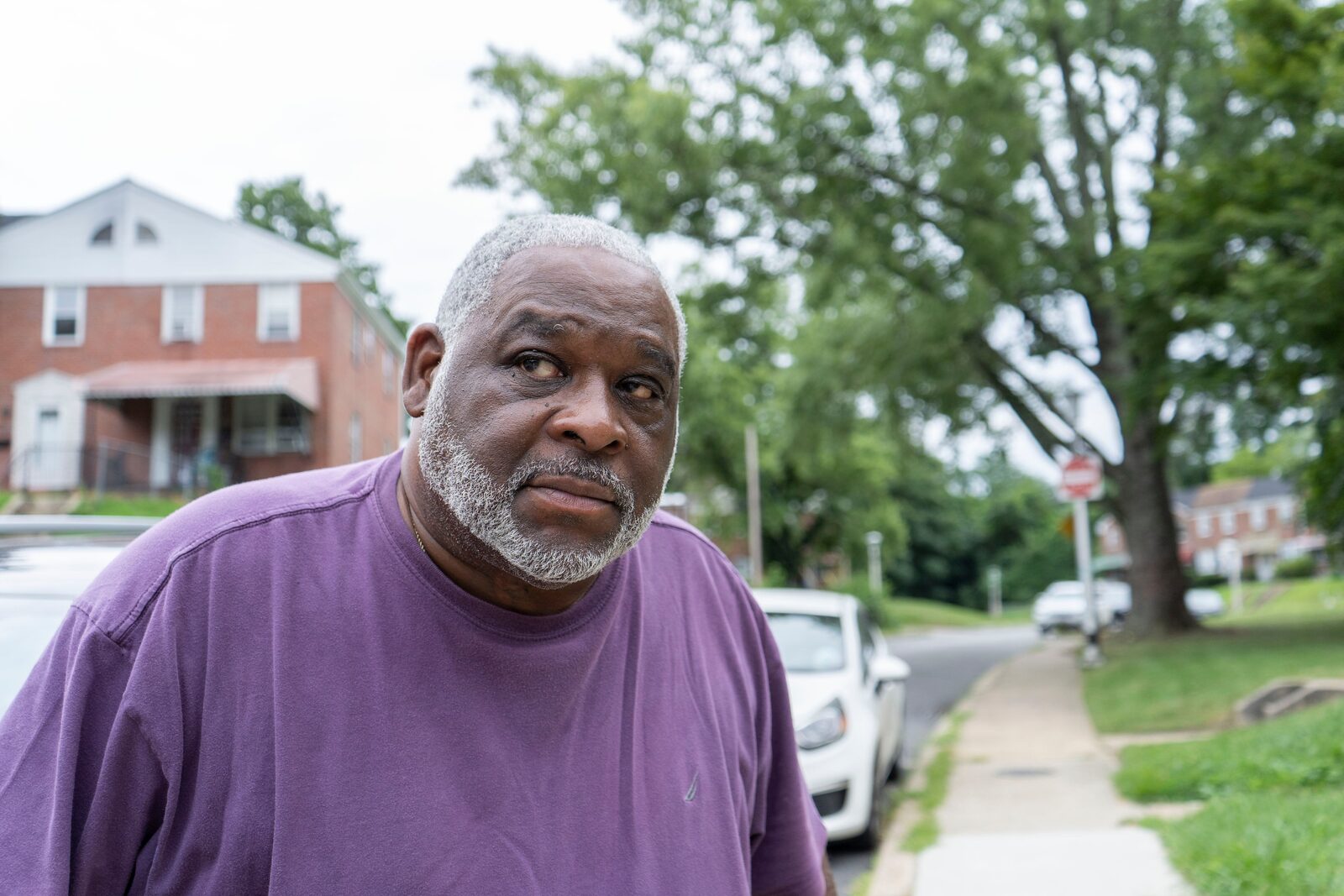
Residents in Baltimore's 41st District are voicing their discontent regarding the perceived disparity in how state Sen. Dalya Attar is treated following her recent indictment on extortion charges. David Smallwood, president of the Uplands Community Association, highlighted a troubling pattern, noting that many local politicians, particularly Black officials, have faced intense scrutiny and backlash after being charged with crimes.
Attar, along with her brother and a Baltimore Police officer, was indicted by federal prosecutors in October, accused of attempting to blackmail a former campaign consultant. The allegations include secretly recording the consultant and threatening to release the footage unless she withdrew from the 2022 election. Attar has pleaded not guilty and continues to serve in her role while awaiting trial.
The indictment has sparked significant frustration among constituents, particularly as Attar faces a primary challenge from Del. Malcolm Ruff. The 41st District, which encompasses various neighborhoods in Northwest, West, and Southwest Baltimore, is predominantly Black, yet also has a notable Jewish community. Critics argue that the media coverage surrounding Attar's indictment has been markedly different from the intense scrutiny faced by other local politicians of color.
Smallwood expressed his disappointment, stating, “The playing field is not level for everybody, and it’s just not fair.” He recalled the swift actions taken against former Black politicians, including resignations and plea deals, contrasting them with Attar's current situation.
Karsonya “Kaye” Wise Whitehead, a communication professor at Loyola University Maryland, echoed these sentiments on her talk show, emphasizing the racial dynamics at play in local political discourse. “There’s always more grace, more mercy, less accountability when we’re talking about candidates that are not of color,” she noted.
Sharon Carter, a resident of Mount Holly, has also shifted her support away from Attar, citing a sense of entitlement and racism in the differing treatment of politicians based on race. “I cannot remain silent while she just skates through like nothing has happened,” Carter remarked.
In contrast, Howard Libit, executive director of the Baltimore Jewish Council, raised concerns about antisemitic rhetoric emerging from supporters of Attar's opponent, stating that such remarks could damage relationships within the district. Libit emphasized that political discussions should focus on ideas rather than race.
As the election approaches, the ongoing discourse around Attar's indictment continues to raise questions about equity and accountability in Baltimore's political landscape, leaving many residents feeling frustrated and distrustful of both the media and elected officials.
Reported by HarborBeat based on The Baltimore Banner (source).
0 Comments
Log in to join the conversation.