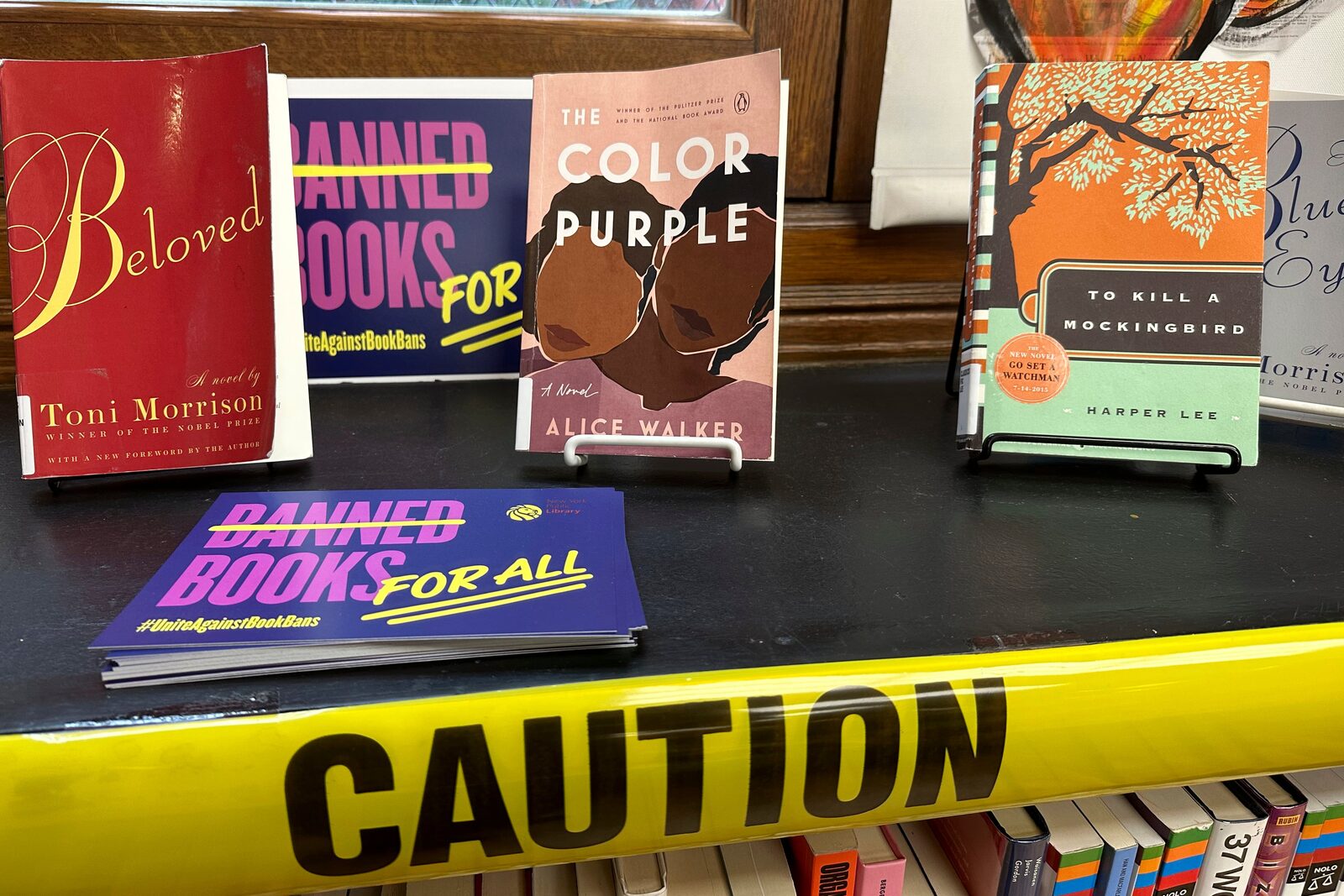
In a move that has raised eyebrows among educators and parents alike, the Somerset County school board is contemplating a policy that would restrict students under 18 from accessing young adult literature in school libraries. Critics argue that this could hinder students' ability to engage with diverse perspectives and important social issues.
Liza Skinner, a library/media specialist at Edgewater Elementary in Anne Arundel County, voiced her concerns about the implications of such restrictions. She emphasized the importance of connecting students with literature that resonates with their interests and experiences, stating that limiting access could create a disconnect between children and the wider world.
Skinner pointed out that many classic works, such as “The Diary of Anne Frank” and “To Kill A Mockingbird,” tackle complex themes including race, class, and violence—issues that are also present in school curricula. She questioned why students should be restricted from exploring these topics through literature when they are already being discussed in class.
The debate has been fueled by differing interpretations of what constitutes young adult literature. While some board members define it as material suitable only for older students, many young adult books are intended for readers much younger than 18, often appealing to those in their early teens.
Skinner argued that exposure to a variety of literary themes is crucial during formative years, helping students develop empathy and a broader understanding of the world around them. She recalled her own experiences as a young reader, highlighting how literature shaped her identity and worldview.
As the school board deliberates this potential policy change, advocates for educational freedom stress the need for students to have access to a wide range of literature. They argue that restricting choices not only limits personal growth but also stifles the development of critical thinking skills necessary for engaging with complex societal issues.
Reported by HarborBeat based on The Baltimore Banner (source).
0 Comments
Log in to join the conversation.