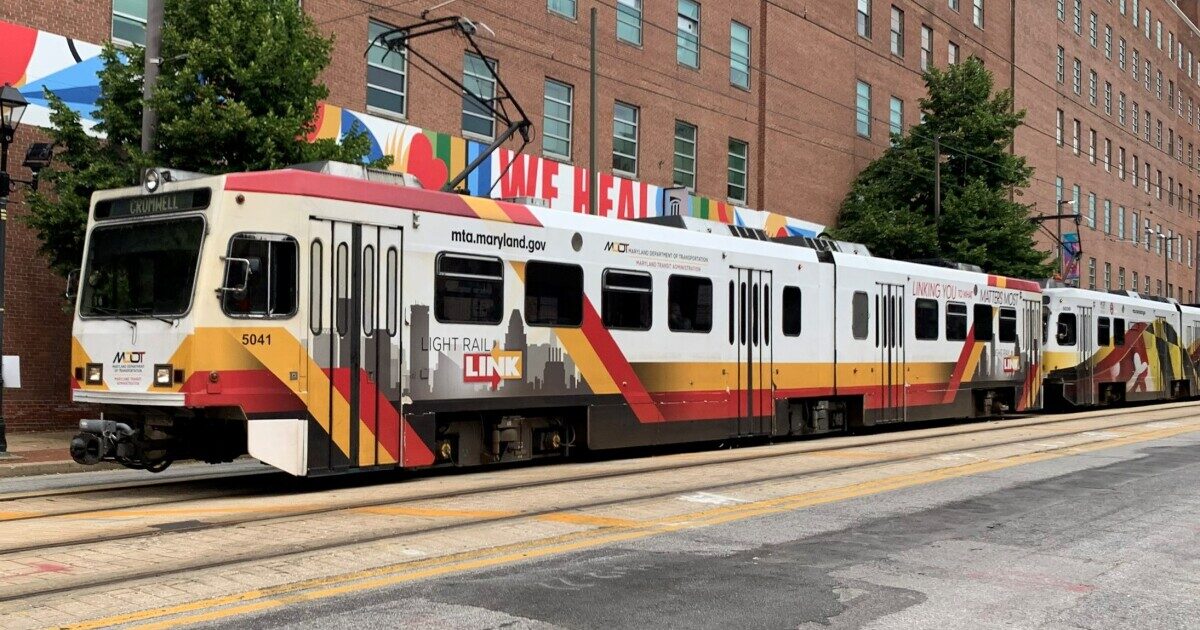
Beginning this Sunday, Maryland public transportation riders will see an increase in ticket prices for regional buses and trains. This fare hike is a requirement under the Transportation Infrastructure Investment Act of 2013, which mandates fare adjustments every two years.
Although fare increases were scheduled for last year, Governor Larry Hogan intervened by allocating funds from the federal American Relief Plan Act to mitigate the rise. However, some commuter bus and MARC train fares did increase during that period.
The new fare structure will see one-way bus ticket prices rise from $1.90 to $2. Mobility Link fares will increase from $2.10 to $2.20, while day passes will now cost $4.60, up from $4.40. Additionally, monthly bus passes will increase from $74 to $77.
According to Maryland Transit Administration (MTA) data, approximately one-third of day pass users and 10 percent of one-way fare customers are low-income residents. Samuel Jordan, president of the Baltimore Transit Equity Coalition, expressed concerns regarding affordability, stating that the fare increase could significantly impact low-income individuals who rely on public transit for work.
Jordan emphasized that many riders are questioning the quality of service improvements, suggesting that this is not the appropriate time for a fare increase.
Public transportation ridership in Maryland has seen fluctuations due to the pandemic. In April 2020, ridership dropped to 2.4 million, compared to 5.3 million in April 2019. However, recent figures show a recovery, with 3.4 million riders in April of this year.
The MTA has introduced the CharmFlex program, which offers discounted fares for commuters working hybrid schedules, allowing day passes to be used on nonconsecutive days. Despite improvements in on-time performance in March 2020, when nearly 78 percent of buses were on schedule, the figure has since declined to about 75 percent as of March 2022.
In September 2020, Governor Hogan proposed cuts to 25 bus lines due to budget shortfalls linked to the pandemic, but reversed the decision following public outcry.
In the Baltimore-Columbia-Towson metro area, the consumer price index rose by 9.1 percent between April 2021 and April 2022, with notable increases in food and gasoline prices.
Reported by HarborBeat based on WYPR (source).
0 Comments
Log in to join the conversation.