A Baltimore County District Court judge has ruled that a Peeping Tom statute does not apply in a case involving a man accused of peering into a Towson apartment. Judge Krystin Richardson found Johnnie Wade Jr. not guilty on two charges after prosecutors failed to establish that he had seen the residents inside their home.
Devin Kaestner and Chloe White, who reported the incident, expressed their disappointment with the verdict. Kaestner noted the unsettling implications of the ruling, stating, "It’s just terrifying to think about the what if’s and that the law doesn’t apply to it at all."
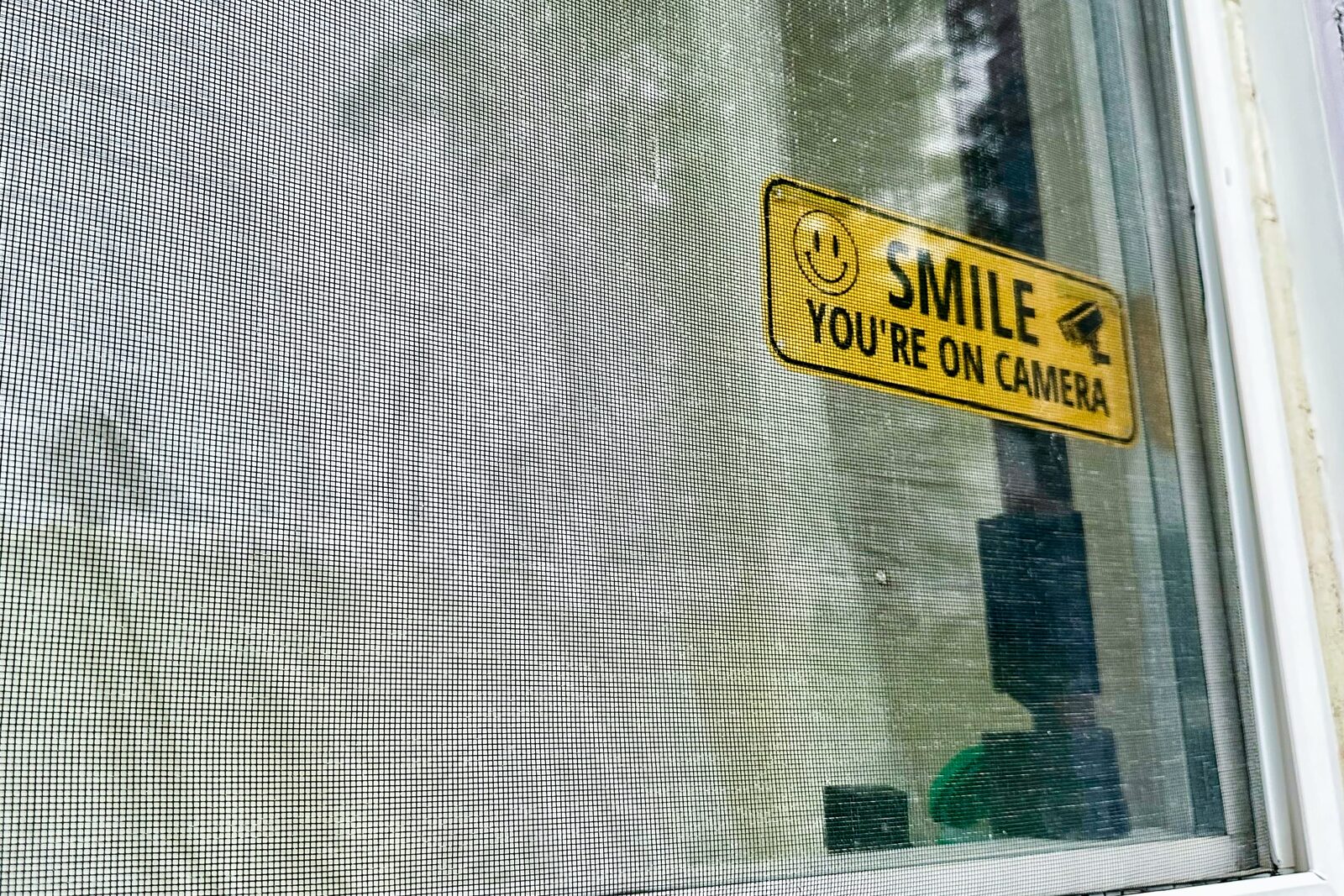
Over the last ten months, multiple reports have emerged from residents of Towson’s Donnybrook Apartments detailing similar incidents of men peering into their windows. In response to these occurrences, Kaestner and her roommates have installed Ring cameras in their bedrooms and reported the incidents to the police at least 13 times.
Wade, 53, was one of three men arrested in May on Peeping Tom charges, alongside Andrade Robinson and Daniel F. Sell. The State’s Attorney, Scott Shellenberger, has indicated that he is uncertain how this ruling might affect the trials of the other two defendants, set for later this summer.
According to Maryland law, a “private place” is defined as a dressing room or restroom, and “visual surveillance” refers to observations made through direct eyesight or electronic devices. In this case, the judge determined that none of the roommates were in the bedroom Wade was accused of observing.
Wade’s defense attorney argued that the statute in question was not applicable to the circumstances of the case. He emphasized that if the prosecution had chosen to charge Wade under a broader statute that includes bedrooms, they would have needed to demonstrate that he had a sexual intent.
Kaestner noted that while the judge expressed sympathy for their situation, she ultimately had to adhere to the evidence presented. Shellenberger acknowledged that the interpretation of the law was the crux of the issue, and he mentioned the possibility of lobbying for legislative changes to address these gaps in privacy protections.
The roommates, who continue to live in their apartment, are planning to testify against Sell later this month. Despite their fears, they feel financially unable to relocate. Kaestner advised others to remain vigilant about their surroundings and take precautions to ensure their safety.
Reported by HarborBeat based on The Baltimore Banner (source).
0 Comments
Log in to join the conversation.