The Center for Vaccine Development and Global Health at the University of Maryland School of Medicine, once at the forefront of COVID-19 vaccine research, is now navigating significant challenges due to reduced federal support and growing public skepticism towards vaccines.
Initially, the center played a crucial role in developing mRNA technology, which not only addressed COVID-19 but also holds promise for combating other diseases such as hantavirus and Ebola. However, recent disinvestment from the Trump administration has forced the center to redirect its efforts to ensure the continuity of its research and operations.
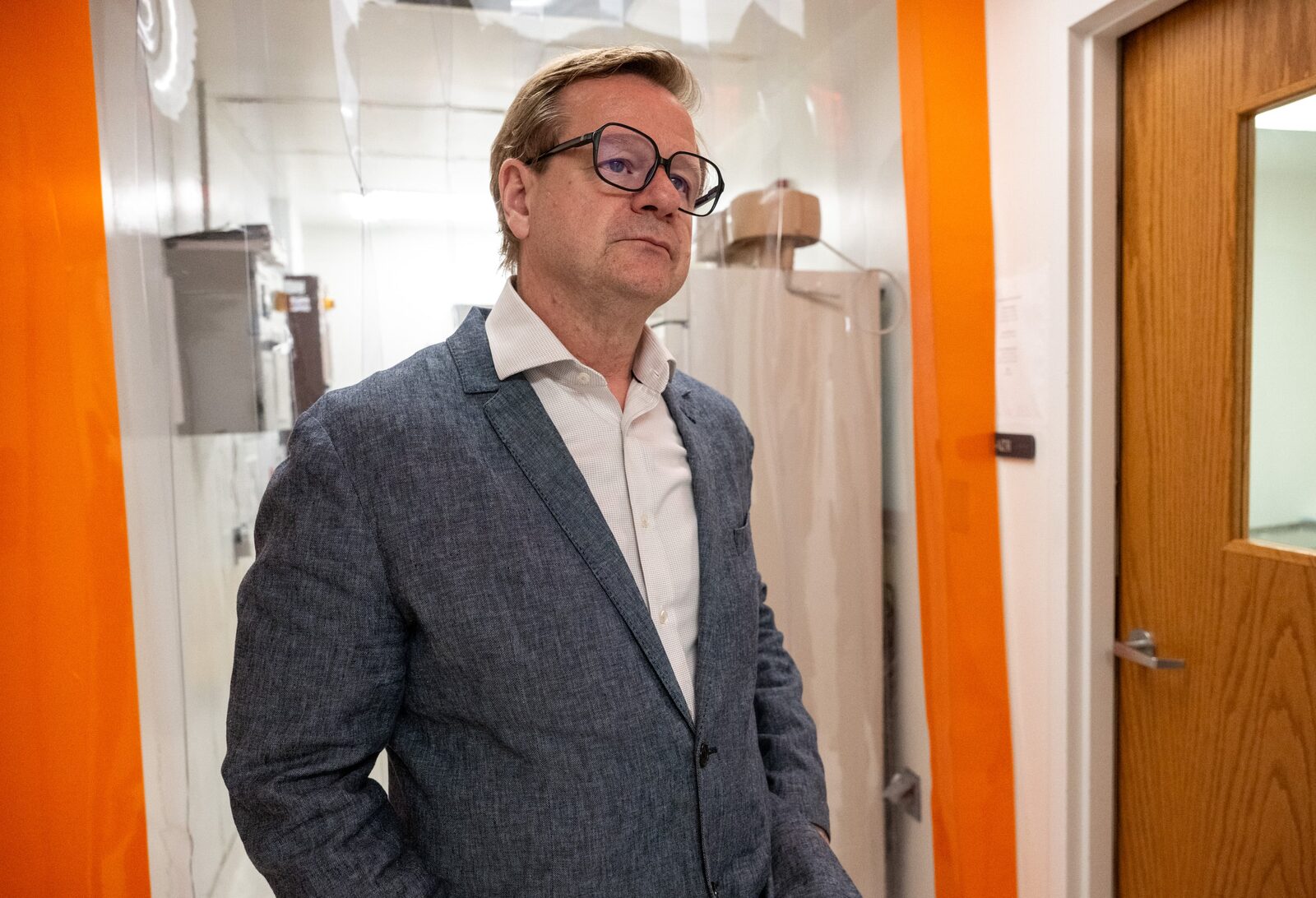
Stefan Kappe, who became the center's director in February, is tasked with demonstrating the importance of new vaccines amidst these challenges. He emphasized the life-saving impact of vaccines, describing them as a miracle of modern medicine. Yet, he acknowledged the prevailing public perception that views vaccines as dangerous.
To adapt to the changing landscape, the center has increased its reliance on non-federal funding sources, with approximately 84% of its $21.1 million in grants over the past fiscal year coming from outside government channels. This shift has allowed the center to broaden its research scope, focusing on diseases like dengue and flu, while also seeking innovative vaccine solutions.
Current projects include developing a combination vaccine for rabies and Lassa fever, as well as a universal flu vaccine that could eliminate the need for annual vaccinations. Kappe is also continuing work on malaria vaccine development, a disease that still poses a significant global health threat.
Despite the center's budget increase, the absence of federal funding for mRNA research has created a gap in resources for developing new vaccines that could address both infectious diseases and cancer. Experts like Dr. William Moss from Johns Hopkins University stress the importance of financial investment in vaccine research to maintain the U.S.'s role in global health responses.
The center's researchers are now focusing on diseases that can secure funding, with some, like Dr. Kirsten Lyke, leveraging their expertise in vaccine trials to address emerging health threats. However, Kappe cautioned that vaccine skepticism, fueled by misinformation and inconsistent public health messaging, could hinder the acceptance of new vaccines, particularly in areas with historical resistance to vaccination efforts.
As the center adapts to these new realities, Kappe urges a renewed appreciation for the role vaccines have played in public health and the urgent need to counteract misinformation that has led to declines in routine vaccinations.
Reported by HarborBeat based on The Baltimore Banner (source).
0 Comments
Log in to join the conversation.