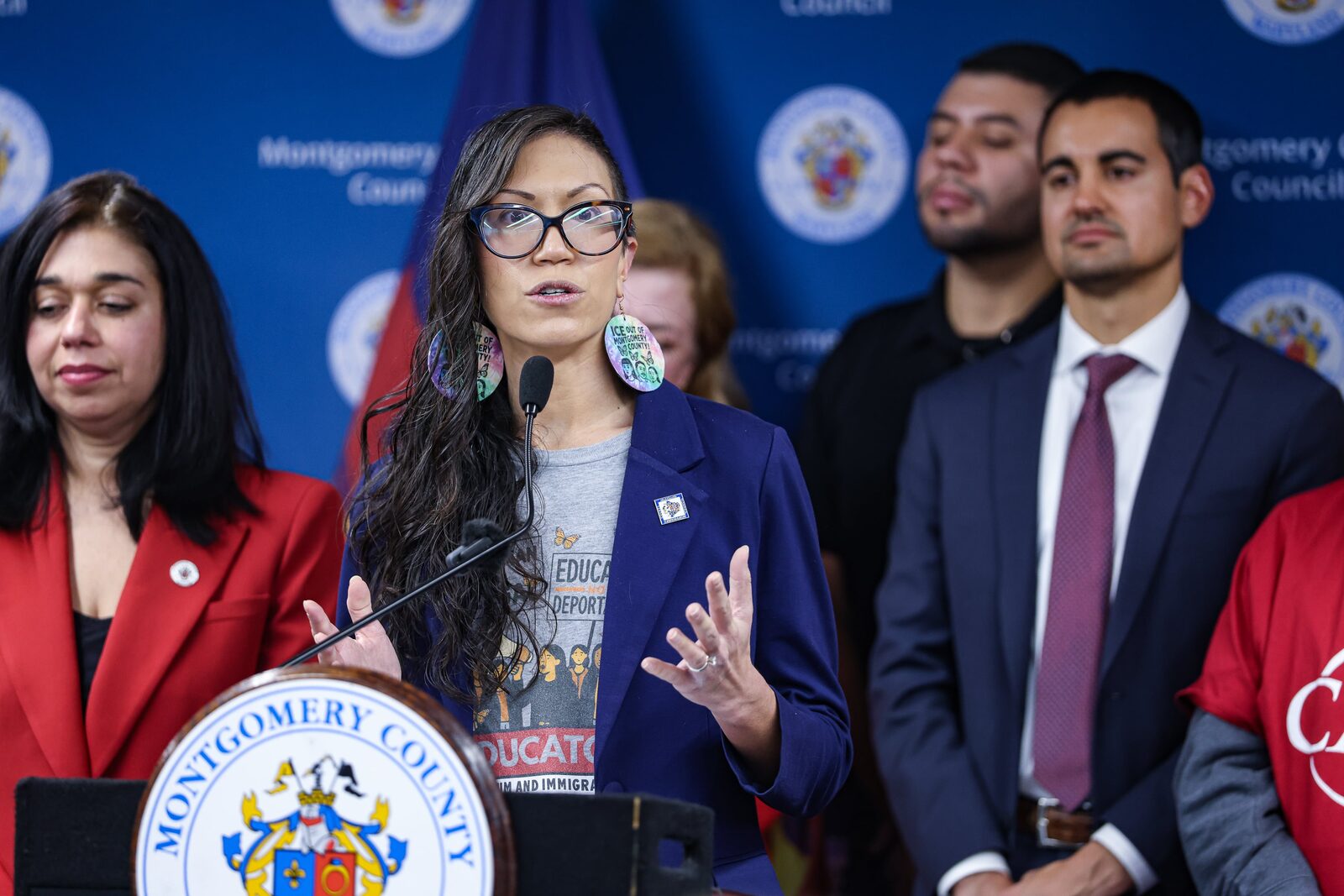
Montgomery County Council member Kristin Mink has introduced legislation aimed at prohibiting former employees of the U.S. Immigration and Customs Enforcement (ICE) from securing jobs in most county offices and departments. Mink believes this measure will help immigrants feel more secure when accessing government services, particularly in light of the Trump administration's aggressive immigration policies.
In discussions with local service providers, Mink noted a significant drop in the number of individuals seeking essential services, which include food assistance, healthcare, and recreational facilities. She expressed concern that fear stemming from ICE's actions has deterred many immigrants from utilizing these resources.
The proposed legislation would take effect for those previously employed by ICE after October 2025, a timeline Mink argues allows for a clearer understanding of the agency's controversial practices under the Trump administration.
However, some legal experts warn that the bill may face constitutional challenges. Joyce Smithey, chair of the Maryland State Bar Association’s labor and employment chapter, cautioned that while previous employment is not a protected class under Maryland law, critics could still raise legal objections. Smithey emphasized that the broad nature of the bill could complicate its enforceability.
Supporters of the bill, including representatives from the Montgomery County Immigrant Rights Collective, argue that it is essential for fostering trust between immigrant communities and local government. They claim that the fear of deportation has led to many individuals forgoing necessary services.
Opposition came from Esther Wells, a Republican candidate for county executive, who stated that community trust is built through public safety and fully staffed departments.
Mink's initiative is inspired by similar legislation passed in Prince George’s County earlier this year, which also restricts employment for ICE employees from October 2025 onward. Similar proposals are being considered in other states, including California and New Jersey.
The bill would affect nearly all county departments, including Health and Human Services, Housing, and Corrections, raising concerns about its potential legal implications.
Reported by HarborBeat based on The Baltimore Banner (source).
0 Comments
Log in to join the conversation.