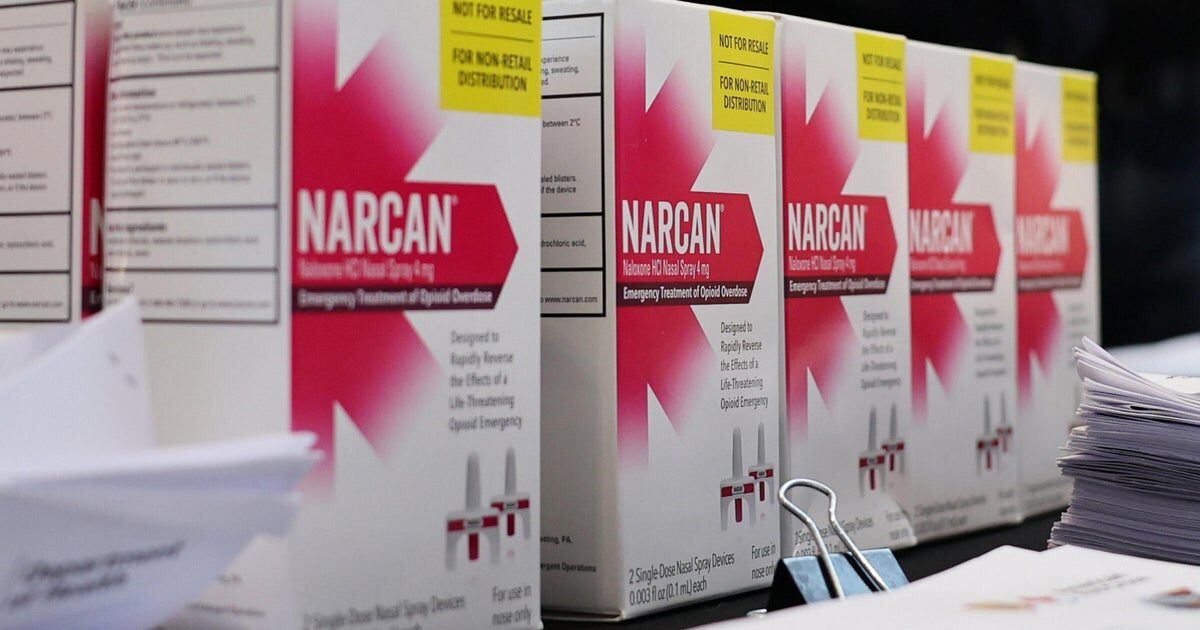
Baltimore city officials announced plans to install Naloxone boxes in metro stations as part of a new initiative aimed at preventing overdoses, particularly following a series of mass overdose incidents in the Penn North neighborhood.
Mayor Brandon Scott, alongside community advocates, initiated the program on Monday by placing the first set of boxes at the Penn North Metro Station, the site of three mass overdoses in recent months.
The project is a collaboration between the city, the Maryland Peer Advisory Council (MPAC), and the Maryland Transit Administration (MTA). Mayor Scott emphasized the necessity of ensuring that all residents have access to Naloxone, a medication capable of reversing opioid overdoses, regardless of their situation.
According to the Centers for Disease Control and Prevention (CDC), Naloxone can counteract the effects of various opioids, including heroin, fentanyl, and oxycodone, potentially saving lives. The city plans to equip the Naloxone boxes with instructional videos in both English and Spanish to educate users on its administration.
Sara Whaley, Executive Director of Overdose Response in Baltimore, highlighted that these resources will allow individuals unfamiliar with Naloxone to learn how to use it effectively when they retrieve it from the boxes. Each box will also contain personal protective equipment for users and will be regularly maintained by MPAC members.
The installation of these boxes is expected to be completed by the end of the week, funded through the city's Opioid Restitution Fund.
Recent statistics reveal a concerning trend in overdose incidents in Baltimore. Emergency responders were called to three separate mass overdoses in the Penn North area within a four-month span, with significant incidents occurring in July and October. Despite these alarming occurrences, overdose deaths citywide have reportedly declined by 25% from 2023 to 2024, with 778 deaths recorded in 2024 compared to 1,043 the previous year.
Dr. Michelle Taylor, Baltimore's new health commissioner, is committed to reducing overdose deaths further by 2040, as the city continues to confront the opioid crisis.
Reported by HarborBeat based on CBS News (source).
0 Comments
Log in to join the conversation.