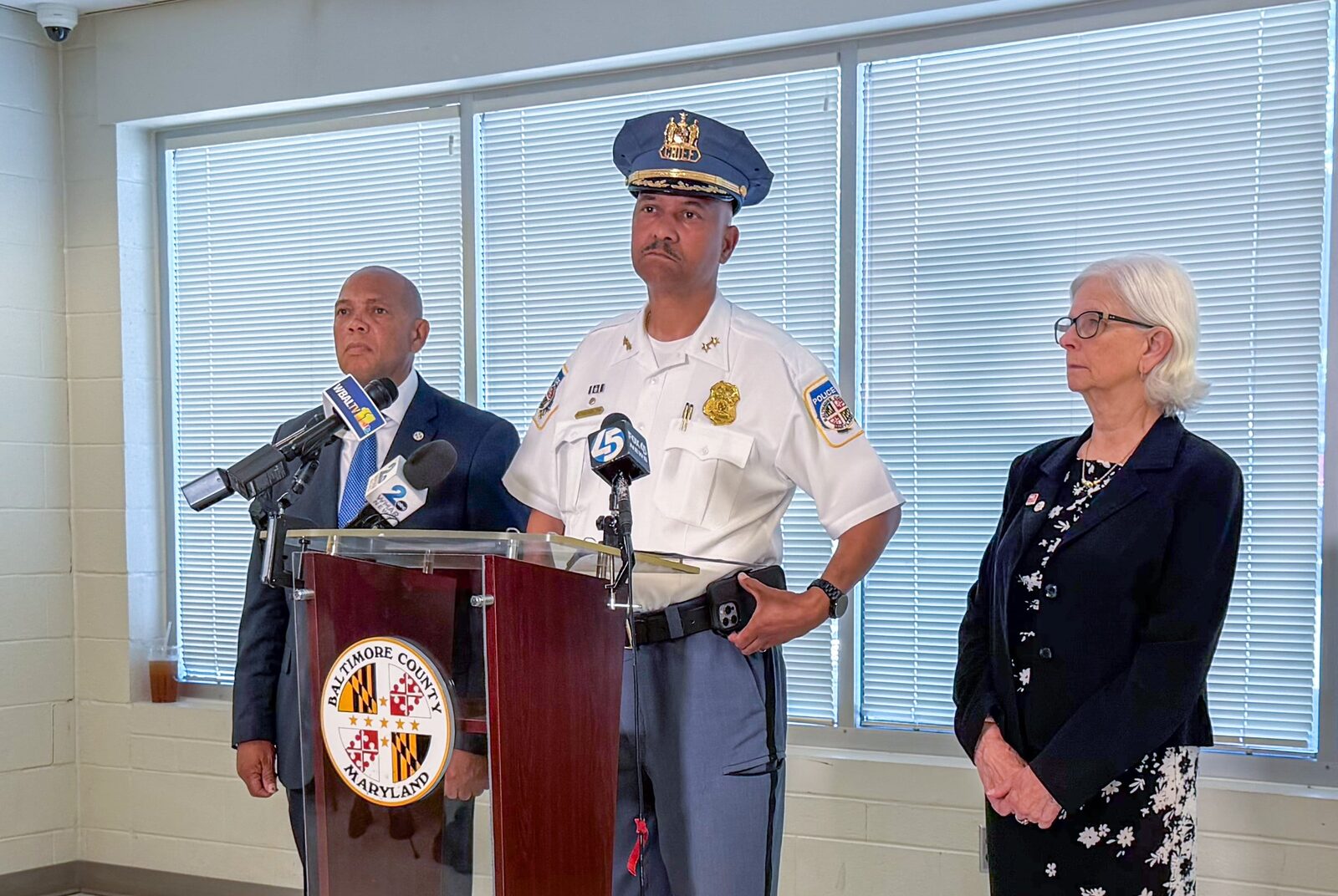
The recent tragic shooting in Gwynn Oak, where a teenager allegedly killed his girlfriend and her brother, has reignited discussions about gun violence among Maryland's youth. Jen Pauliukonis, the executive director of the Maryland Center for Firearm Violence Prevention and Intervention, emphasizes the urgent need for effective policies and public health approaches to prevent such incidents.
Since her appointment 18 months ago, Pauliukonis has been focused on gathering extensive data on gun violence across the state. The center, established under the Maryland Department of Health, aims to formulate a comprehensive strategy by 2029 to reduce firearm-related incidents.
Recent statistics reveal a significant decline in firearm homicides in Maryland, which have dropped by 54% over the past five years. Non-fatal shootings have also seen a 51% decrease, largely attributed to targeted interventions in Baltimore. However, gun violence remains a concern in suburban and rural areas, where similar trends are also observed.
The center's data indicates that Baltimore has the highest gun fatality rate at 35.8 per 100,000 residents, followed by Dorchester County at 18.9. Pauliukonis highlights the importance of behavioral health programs, such as the nonprofit ROCA, in effectively addressing the root causes of violence.
While the overall gun violence statistics are encouraging, there is a troubling upward trend in suicides, which have increased by 24% since 2020. The demographic most at risk is white males over the age of 75, who face a significantly higher suicide rate compared to the general population.
In response to these challenges, some counties, including Anne Arundel and Montgomery, have mandated that gun dealers provide mental health crisis resources. However, implementing such measures in more rural areas, where gun ownership is prevalent, presents additional challenges.
The center's findings are made accessible through the state's Firearm Violence Data Dashboard, which compiles information from various public health resources and is a first for statewide data analysis in Maryland. Despite the progress, gaps remain, such as the inability to track illegally owned firearms or access certain law enforcement reports.
Pauliukonis remains hopeful that future collaborations among state agencies will enhance data sharing, ultimately leading to more effective strategies for reducing gun violence. The data collected so far suggests that many homicides are preceded by arguments, underscoring the importance of intervention programs in mitigating potential violence.
The recent shooting incident has left many questioning how such tragedies can be prevented. As Maryland continues to grapple with gun violence, the need for comprehensive solutions remains critical.
Reported by HarborBeat based on The Baltimore Banner (source).
0 Comments
Log in to join the conversation.