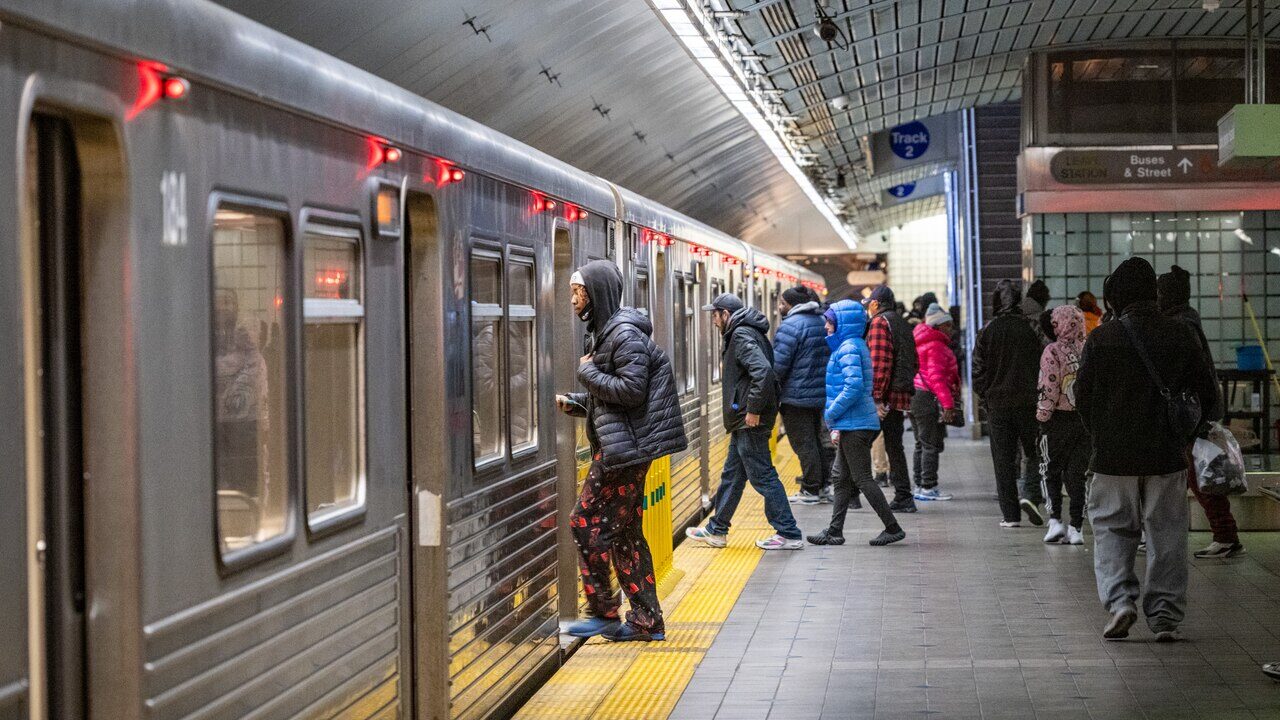
When Baltimore's Metro system commenced operations in November 1983, it was heralded as a transformative development for the city. Initially, the subway attracted a diverse ridership, with packed trains connecting various communities across the region. However, over the decades, the initial excitement has diminished significantly.
According to federal data, Baltimore's Metro line has seen a dramatic decline in reliability, experiencing more mechanical failures than any other subway system in the country in 2023. Riders have reported frequent delays due to issues such as faulty train communications and single-tracking between stations. A notable incident in 2023 involved a complete shutdown of the line for several days following an electrical fire.
Maryland Transit Administrator Holly Arnold has acknowledged the challenges facing the Metro, noting that only about half of the original fleet of 100 railcars were operational in 2023. To address these issues, the Maryland Transit Administration (MTA) plans to introduce 78 new railcars in 2025, with a total investment of nearly $557 million, mainly funded by the federal government.
Arnold is optimistic that the new railcars will enhance service reliability, allowing trains to run every eight minutes and adhere to schedules more effectively. This initiative comes at a time when ridership is beginning to rebound following a pandemic-induced decline.
In addition to the new railcars, the MTA is also working on revitalizing the areas surrounding subway stations. Plans have been unveiled to encourage development near stations, aiming to create more attractive destinations for riders and foster increased usage of the system.
Despite these efforts, some former riders express concerns about issues beyond mechanical reliability. Safety and cleanliness at stations have become significant points of contention. Reports of inadequate security presence, open turnstiles, and maintenance delays have left many feeling that their needs are not being prioritized.
Arnold has indicated that enhancing the quality of life for riders is a key focus, with plans to implement a “transit ambassador” program to improve the overall environment within the system.
As Baltimore prepares for the arrival of new railcars, the future of the Metro remains uncertain. While the upgrades may restore some faith in the system, many riders emphasize that a comprehensive approach addressing safety and service quality is crucial for a successful revival.
Reported by HarborBeat based on thebanner.com (source).
0 Comments
Log in to join the conversation.