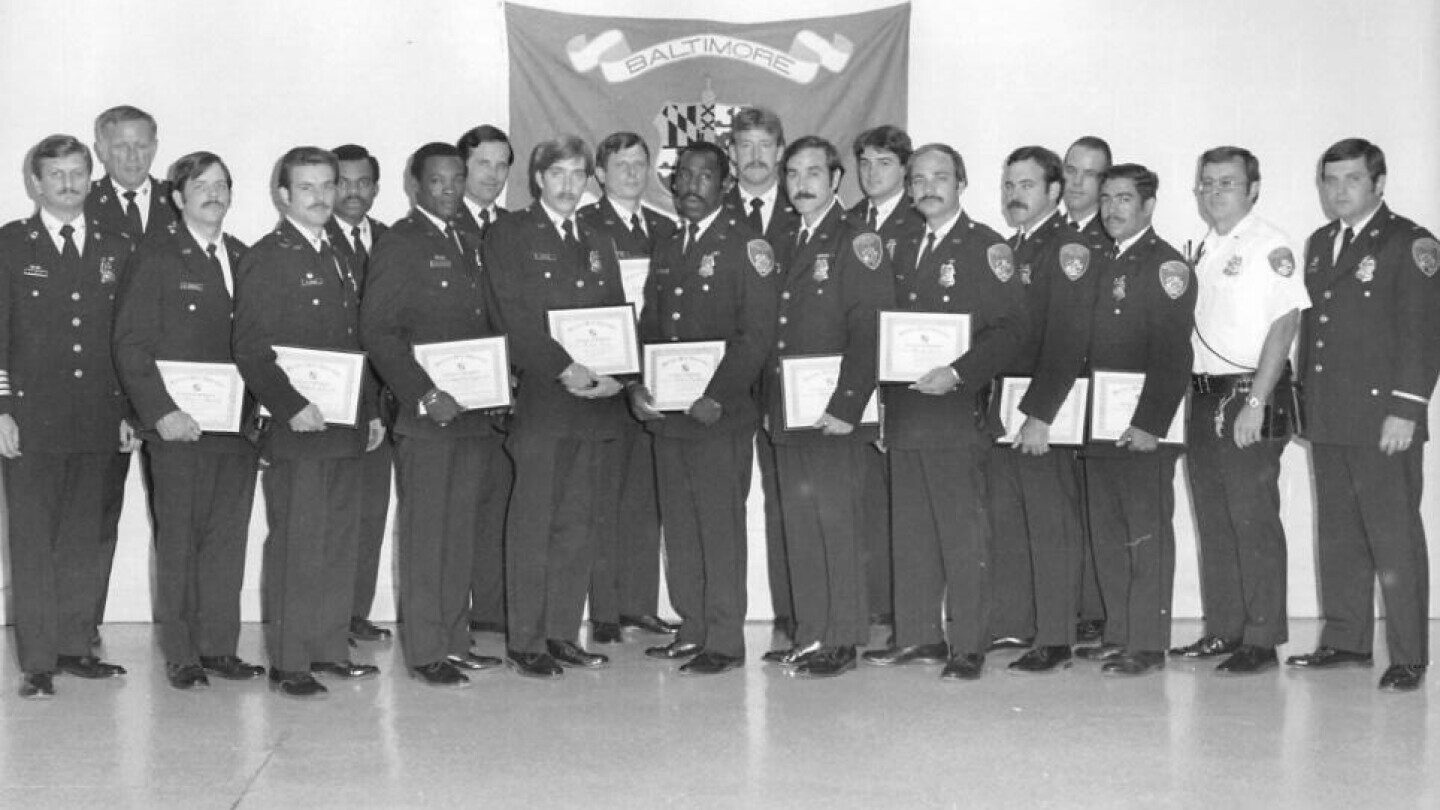
On April 16, 1976, Baltimore experienced its most violent day in police history, a grim milestone that remains etched in the city's memory even fifty years later.
That evening, John Earl Williams, in a state of distress following a breakup, consumed PCP and armed himself with an arsenal of over a dozen weapons, including rifles and handguns loaded with armor-piercing ammunition. Just hours before unleashing chaos, Williams called the Baltimore Police to threaten violence against those he felt had wronged him.
At approximately 6:58 p.m., Williams began firing a high-powered rifle from a third-floor window of his West Lombard Street residence, causing panic among residents and prompting an immediate police response. The ensuing 49 minutes of gunfire left one officer dead and five others injured.
As the situation unfolded, police units from the Southern and Southwestern Districts were alerted to the threat, while patrol officers in the nearby Western District remained unaware of the imminent danger. The lack of communication regarding Williams' warning proved critical as officers responded to various calls for service throughout the city.
When the shooting began, tactical and K-9 units quickly mobilized to the scene, facing a barrage of gunfire. Officers sought cover, and a communication alert was issued, indicating that an officer was in distress and needed assistance. The police helicopter was dispatched, but the high-powered rifle fire made aerial support risky.
Eventually, at 7:48 p.m., Williams surrendered to the police, bringing an end to the violent episode. The aftermath of the shooting prompted extensive scrutiny of police protocols and communications, raising questions about the response to such a critical situation.
While much has been documented about the incident and its implications for law enforcement, the personal experiences of the officers on the ground that night remain less explored, highlighting the chaos and fear that defined their response to the tragedy.
Reported by HarborBeat based on Police1 (source).
0 Comments
Log in to join the conversation.