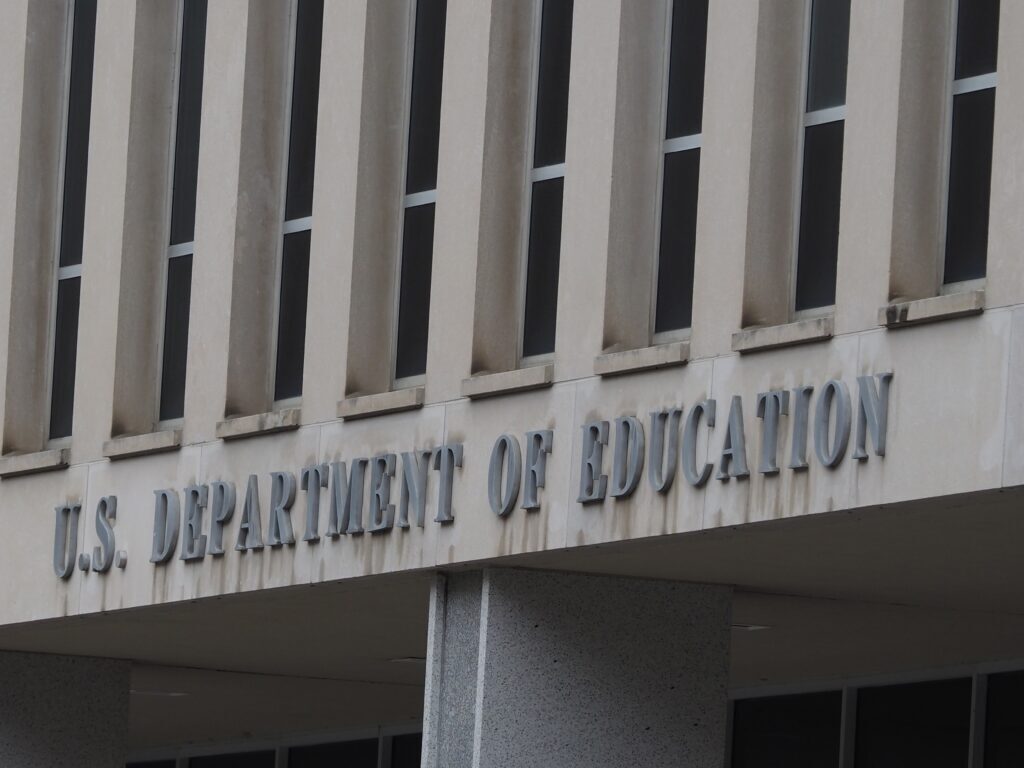
In a significant restructuring move, the U.S. Department of Education has announced plans to transfer its special education programs and civil rights enforcement to other federal agencies. This decision, revealed on June 16, 2026, aligns with the Trump administration's ongoing efforts to reduce the scope of the Education Department.
Under the new plan, the Department of Health and Human Services (HHS) will take over programs from the Office of Special Education and Rehabilitative Services (OSERS), while the enforcement of civil rights will shift to the Department of Justice (DOJ). This transition follows previous agreements with several federal agencies, including Labor and Treasury, to delegate various responsibilities away from the Education Department.
Education Secretary Linda McMahon emphasized that the department will continue to fulfill its essential duties and responsibilities despite these changes. She stated that the administration aims to reduce federal oversight that may impede success while ensuring that necessary federal oversight remains intact.
OSERS is responsible for implementing the Individuals with Disabilities Education Act (IDEA), which guarantees educational rights for students with disabilities. Officials assured that students' rights to a free appropriate public education will remain unaffected by this transition.
Meanwhile, the DOJ's involvement will enhance the federal government's capacity to enforce civil rights laws, as the Office for Civil Rights (OCR) will collaborate with the DOJ to handle civil rights complaints from students and families.
The announcement has drawn sharp criticism from various Democratic lawmakers, labor unions, and advocacy groups. Critics argue that the changes will undermine support for vulnerable students and erode protections against discrimination in education.
Rachel Gittleman, president of the American Federation of Government Employees Local 252, voiced concerns that these agreements could leave vulnerable students without essential services. U.S. Senator Patty Murray described the move as a betrayal that threatens decades of progress in education for students with disabilities.
Randi Weingarten, president of the American Federation of Teachers, warned that these changes could have severe consequences for students across the nation. She emphasized that only Congress has the authority to abolish the Education Department, and she called on the public to resist these actions through various means.
Reported by HarborBeat based on Maryland Matters (source).
0 Comments
Log in to join the conversation.