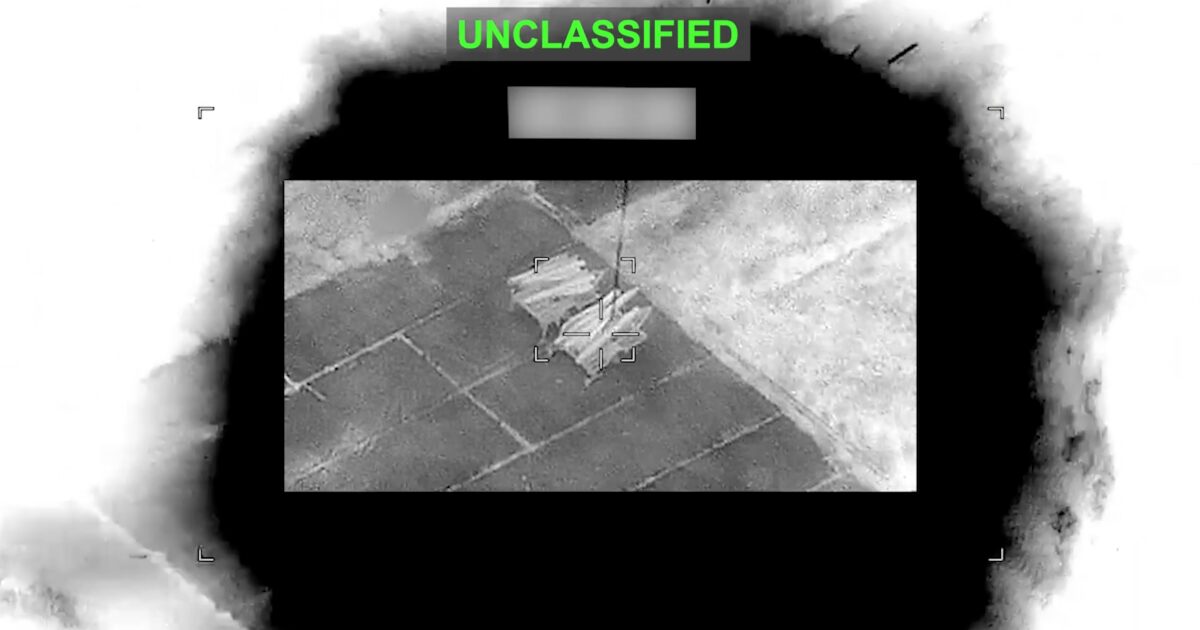
The United States has initiated a series of military strikes against Iran for the third consecutive day, as tensions escalate over the strategic Strait of Hormuz. These actions come amid President Trump's efforts to reinforce a blockade in the waterway and implement new financial measures against Iran.
According to U.S. Central Command, the strikes are intended to impose significant costs on Iranian forces and diminish their capacity to threaten civilian vessels and commercial shipping in the Strait of Hormuz. In response, Iran has claimed responsibility for attacks on U.S. bases in the region, while the United Arab Emirates reported that two of its national tankers were struck by Iranian cruise missiles, resulting in one fatality and several injuries.
President Trump stated, "We're attacking them tonight, and we're taking out all of their capability for anything having to do with the strait, with the Hormuz strait..." He expressed confidence that the U.S. would ultimately control the strait.
Over the past week, the U.S. military has targeted hundreds of sites in an effort to reduce Iran's ability to disrupt commercial shipping. Meanwhile, Iran has been active in launching strikes at Gulf nations.
Trump also notified Congress of the ongoing "defensive strikes" under the War Powers Resolution, citing Iran's recent attacks on commercial vessels as justification. The notification emphasized that U.S. ground forces are not involved and that the operations are designed to minimize civilian casualties while focusing on military threats to U.S. interests.
In discussions with a radio host, Trump mentioned the potential targeting of Iran's Pickaxe Mountain, a site near Natanz known for its enrichment activities. He indicated that while there is currently no activity detected at the site, it remains a possible target.
U.S. Central Command plans to resume its blockade of Iranian ports and coastal areas, reinforcing the U.S. commitment to ensuring safe passage through the Strait of Hormuz.
Experts suggest that the U.S. strategy may involve applying economic pressure on Iran, with analysts noting that the administration's approach reflects a broader negotiation tactic.
As tensions rise, the price of crude oil has surged by over 5%, with the national average for gasoline also experiencing a slight increase.
Reported by HarborBeat based on WMAR-2 News (source).
0 Comments
Log in to join the conversation.