Utility disconnections in Maryland reached nearly 115,000 instances last year, according to data submitted to state regulators. This marks a notable increase from over 100,000 disconnections in the previous year, as reported by federal authorities.
Advocates attribute this rise to escalating utility costs and overall inflation, which have made it increasingly challenging for residents to manage their bills. Brandi Nieland, director of consumer assistance at the Office of People’s Counsel, emphasized that rising bills have rendered utilities unaffordable for many families, leading to more disconnections and fewer reconnections.
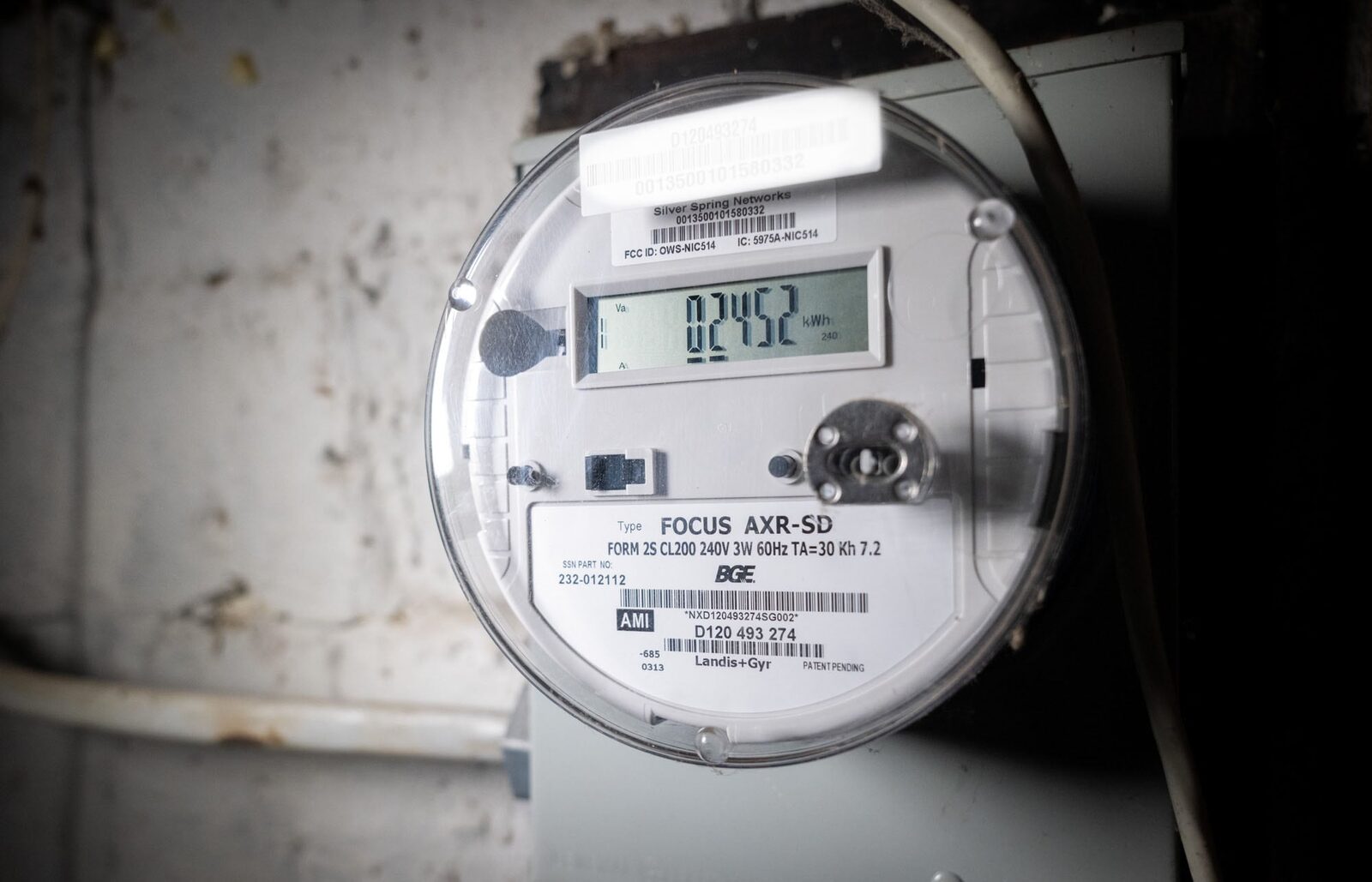
Baltimore Gas and Electric Company (BGE), the largest utility provider in Maryland, accounted for nearly 60,000 of these shut-offs last year. BGE serves approximately 1.3 million electric and 700,000 gas customers across Baltimore City and several surrounding counties. Rates for energy delivery have surged by 30% since 2020, not including a recent rate case that could further increase monthly bills by $8.
Other utility companies also reported significant disconnections. Potomac Electric Power Company (Pepco) recorded over 15,000 shut-offs in Montgomery and Prince George’s counties, while Washington Gas disconnected service nearly 14,000 times across five counties. Washington Gas noted that the accumulation of unpaid bills during the COVID-19 pandemic has contributed to current disconnection rates.
State regulations prevent utility shut-offs during extreme weather conditions, such as when temperatures are forecasted to exceed 95 degrees or drop below 32 degrees. Earlier this year, a moratorium on BGE shut-offs was enacted due to issues with its call center, but this pause has since expired.
Disconnections typically stem from customers being several months behind on payments, with utilities required to issue a 14-day notice before termination. In 2024, over 2.7 million final notices were sent out, although many customers manage to avoid disconnection by settling their bills or enrolling in payment plans.
Despite a record number of Marylanders seeking assistance programs, many still find themselves unable to qualify for aid due to income restrictions or insufficient debt levels. Nieland has noted an increase in inquiries from individuals who previously felt financially secure but are now struggling with rising utility costs.
Reported by HarborBeat based on The Baltimore Banner (source).
0 Comments
Log in to join the conversation.