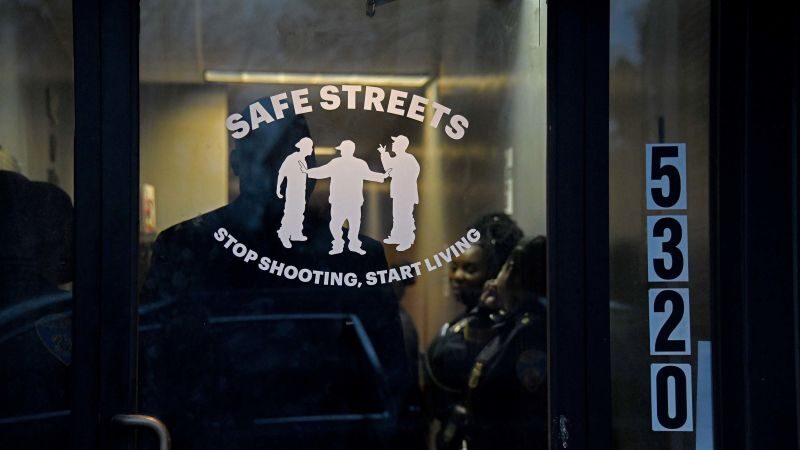
Antoine Burton, known for his role as a violence interrupter in Baltimore, has been arrested on serious charges, including first-degree attempted murder and gun possession. This incident has raised significant concerns about the Safe Streets program, which aims to reduce violence in the city.
Burton was well-regarded in his community and was brought onto the Safe Streets initiative due to his ability to connect with individuals at high risk of violence. He was seen as a credible figure who could mediate conflicts and provide resources for those affected by violence.
However, last week, police reported that Burton was involved in a shooting incident, resulting in the injury of another man, who is currently in stable condition. Due to his previous convictions, Burton was prohibited from owning a firearm. Following his arrest, he was ordered to be held without bond, with a preliminary hearing set for July 8.
City officials and community members expressed shock at the news, as there had been no indications that Burton posed a risk of violence prior to the incident. This situation underscores the challenges faced by violence interrupters, who often navigate a precarious balance between their past experiences and their current roles in the community.
Safe Streets has been credited with contributing to a significant decline in violent crime in Baltimore, including a record low number of homicides in 2025. Nonetheless, Burton's arrest has prompted scrutiny of the program's hiring practices and the vetting process for its workers.
Mayor and program directors have emphasized that Burton's case is an anomaly and does not reflect the overall effectiveness of Safe Streets. Still, the incident has raised questions about the transparency of the program and its workers' backgrounds.
Sean Wees, director of a Safe Streets site, highlighted the emotional struggles faced by violence interrupters, who must engage in potentially dangerous situations while managing their own past traumas. He noted the importance of mental health support for workers in this field.
Deidre McClellan, a psychologist for Safe Streets, pointed out that many workers carry the weight of community trauma while trying to heal from their own experiences. She emphasized the need for ongoing mental health resources and support for these individuals.
Reported by HarborBeat based on CNN (source).
0 Comments
Log in to join the conversation.