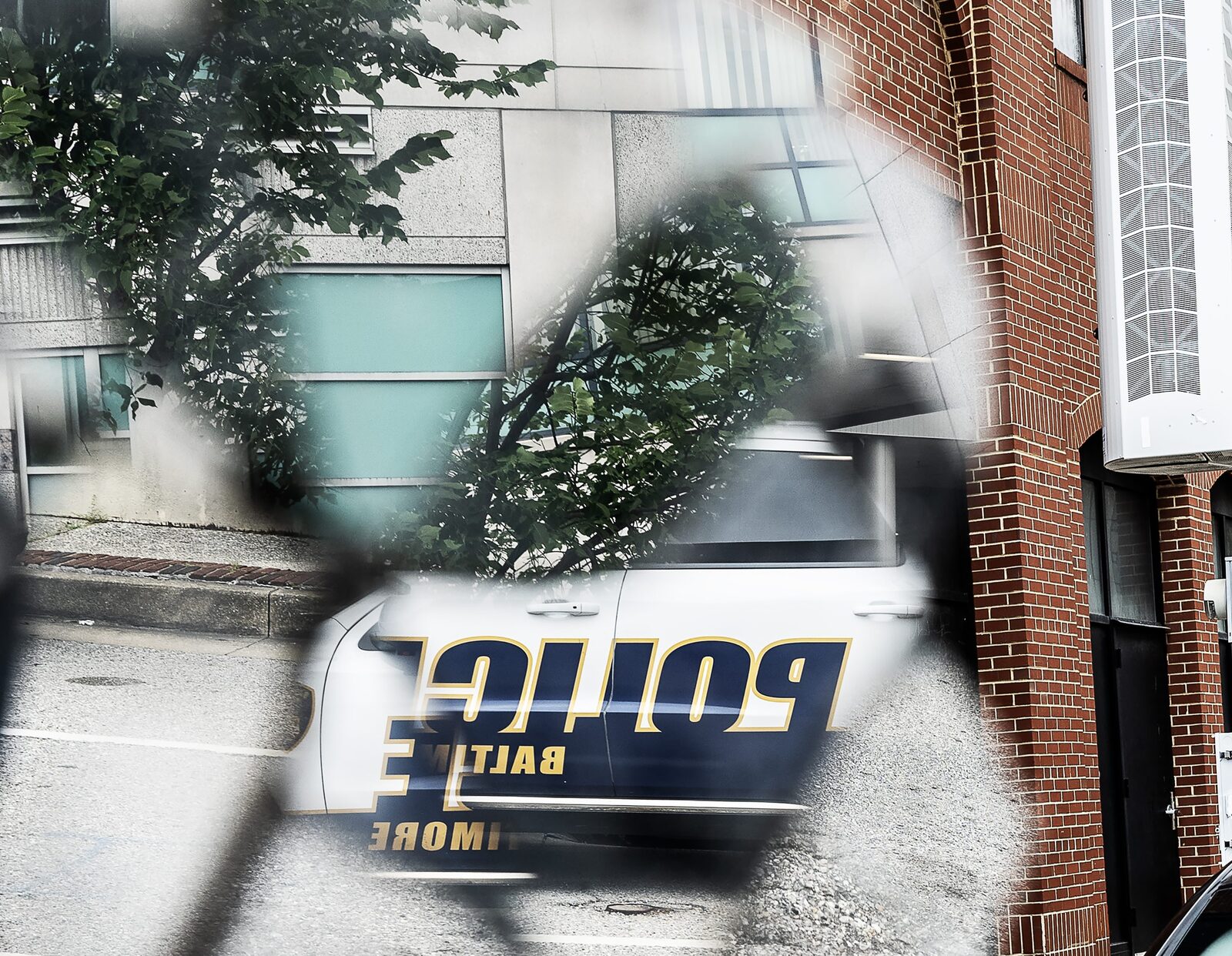
Recent lawsuits filed under Maryland's Child Victims Act have brought to light disturbing allegations of sexual abuse committed by police officers against minors. One notable case involves a woman identified as Brianna, who discovered documents revealing her uncle's long-standing efforts to seek justice for her abuse at the hands of a Baltimore Police officer when she was just 12 years old.
After the passing of her uncle in 2024, Brianna found letters and statements that detailed the abuse she suffered in a social services office in 2004. Driven by the desire for justice that her uncle never received, Brianna has now filed a lawsuit against the state of Maryland and the city of Baltimore.
The Child Victims Act, enacted in 2023, allows adult survivors of childhood sexual abuse to file lawsuits regardless of when the abuse occurred. This legislation emerged following a comprehensive report detailing decades of abuse within the Archdiocese of Baltimore, but it has also led to a surge of lawsuits against various state institutions, including the juvenile justice system.
Among these cases, a smaller number focus on allegations of abuse by police officers. A group of six lawsuits has been consolidated in the Circuit Court for Baltimore City, highlighting instances of violent sexual misconduct by officers against vulnerable individuals in their custody. These allegations span several decades, with some survivors now in their 70s.
Cary Hansel, a civil rights attorney representing one of the plaintiffs, emphasized the historical pattern of sexual misconduct by officers in Baltimore. He called for accountability from those in positions of power to prevent such abuses from continuing.
In the ongoing legal proceedings, the city of Baltimore and the state of Maryland have denied responsibility for the allegations. They have argued that the Baltimore Police Department (BPD) was under state control at the time of the incidents, while the state contends that BPD officers were city employees. Both entities have also invoked sovereign immunity, a legal principle that protects government agencies from lawsuits.
On June 23, a Baltimore City Circuit Judge dismissed most claims in the consolidated police cases, stating that the BPD was considered a state entity during the time of the alleged abuse, thus shielding the state from liability. However, claims against individual officers may still proceed, and plaintiffs are contemplating an appeal of the dismissal.
One of the cases that survived the dismissal involves Officer William D. Welch, who was convicted of misconduct in office after raping a 16-year-old girl in 2006 while she was in police custody. The lawsuit claims that Welch coerced the girl into sexual acts in exchange for dropping potential charges against her.
As these lawsuits unfold, many survivors face challenges in proving their claims due to the passage of time and a lack of identifiable officers involved in the abuse. Despite these obstacles, the legal actions taken under the Child Victims Act are shedding light on a troubling chapter in Baltimore's history.
Reported by HarborBeat based on Baltimore Beat (source).
0 Comments
Log in to join the conversation.