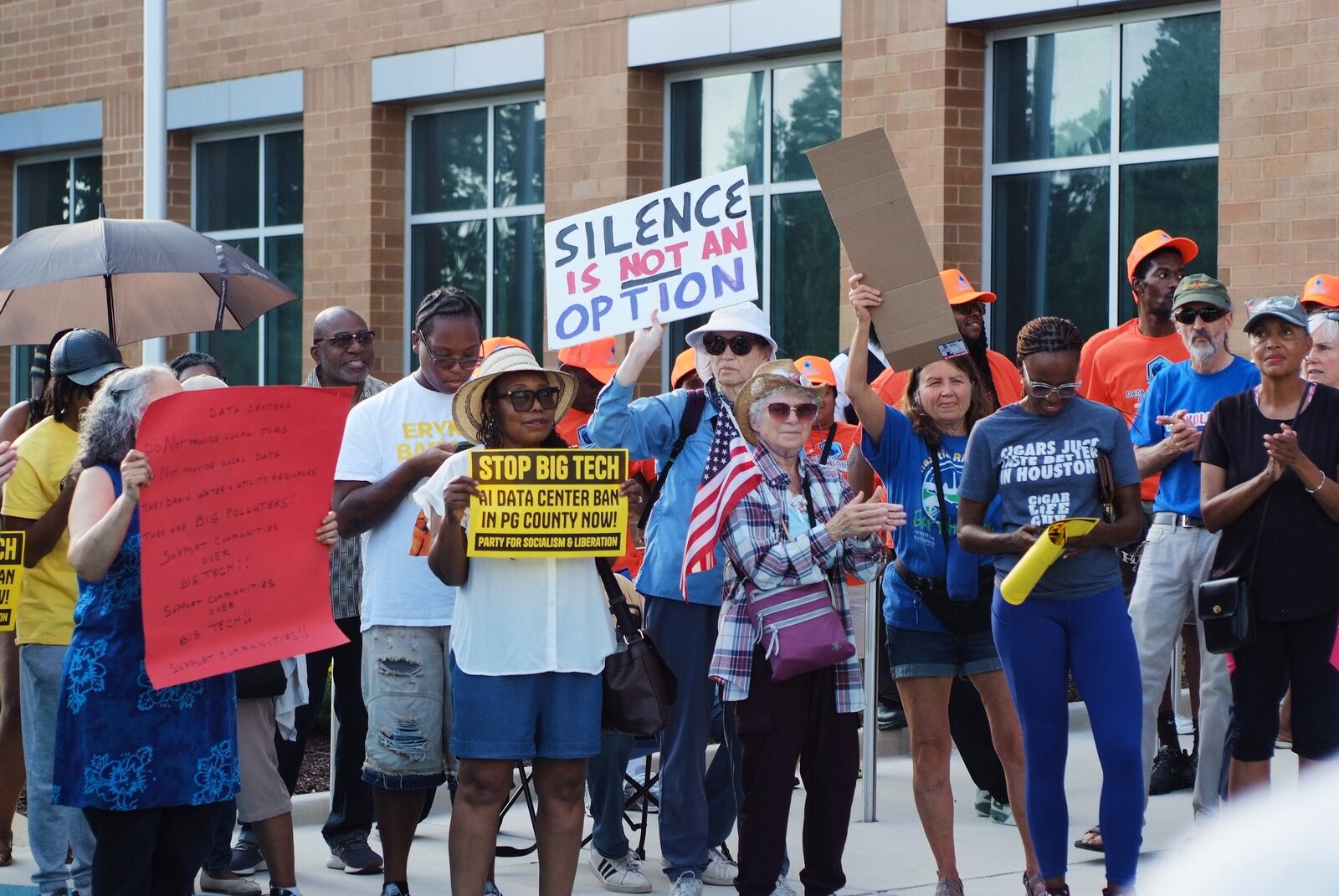
In a growing trend, local governments across the United States are reassessing the role of data centers within their communities, with Prince George’s County recently joining the movement. The County Council has imposed a two-year moratorium on the development of data centers to allow for further discussion and consensus on how to proceed.
This pause follows similar actions taken by Montgomery, Howard, Frederick, and Baltimore counties, highlighting a regional shift in how data centers are perceived. While some council members advocate for a complete ban on these facilities, others are pushing for comprehensive regulations to address both community concerns and the potential economic benefits.
Experts suggest that local governments have more negotiating power than they may realize when it comes to data center developments. Christopher Jordan, a program manager at the National League of Cities, emphasized the potential for municipalities to secure community benefits through negotiations with developers. He noted that jurisdictions can mitigate environmental impacts while ensuring financial returns for local priorities.
For instance, a data center in Lancaster, Pennsylvania, has established limits on daily water usage and operational hours for its generators. Similarly, developers in Cedar Rapids, Iowa, are required to contribute to the city's community betterment fund. Community benefits agreements (CBAs) can serve as effective tools for local governments to negotiate enforceable terms with developers, according to Vincent Nolette from the Sabin Center for Climate Change Law.
In Prince George’s County, the proposed data center at the former Landover Mall site was expected to generate significant tax revenue. However, local opposition has been fierce, with over 24,000 signatures on a petition against the project. Residents express concerns about potential increases in noise, light pollution, and resource consumption.
Community member Taylor Frazier McCollum, who spearheaded the petition, argues that any economic advantages do not outweigh the environmental risks associated with large data centers. She expressed skepticism about the effectiveness of community benefit agreements, citing concerns about enforcement.
In response to the backlash, the county has paused the Landover project and formed a task force to evaluate the implications of data centers. As communities continue to voice their concerns, local governments are recognizing the importance of transparency and engagement in decision-making processes.
While there is division among county officials regarding the future of data centers, there is consensus on the need for a structured approach. Council Chair Krystal Oriadha favors a full ban, while County Executive Aisha Braveboy sees potential for responsible development. Council member Shayla Adams-Stafford is actively drafting legislation aimed at establishing strict regulations for data centers, including considerations for site selection and infrastructure.
As the Prince George’s County Council navigates these complex issues, the outcome could set a precedent for how data centers are managed in the region.
Reported by HarborBeat based on The Baltimore Banner (source).
0 Comments
Log in to join the conversation.