The United States launched a series of airstrikes in Iran on Sunday, escalating tensions in the region as Iranian missiles aimed at Jordan raised concerns about a potential spillover into Israel.
According to the U.S. military, the strikes targeted facilities belonging to Iran's paramilitary Revolutionary Guard, a response to the recent killing of American troops in Jordan. This exchange has intensified the ongoing conflict between the U.S. and Iran, particularly following the collapse of a temporary agreement aimed at de-escalating hostilities last month.
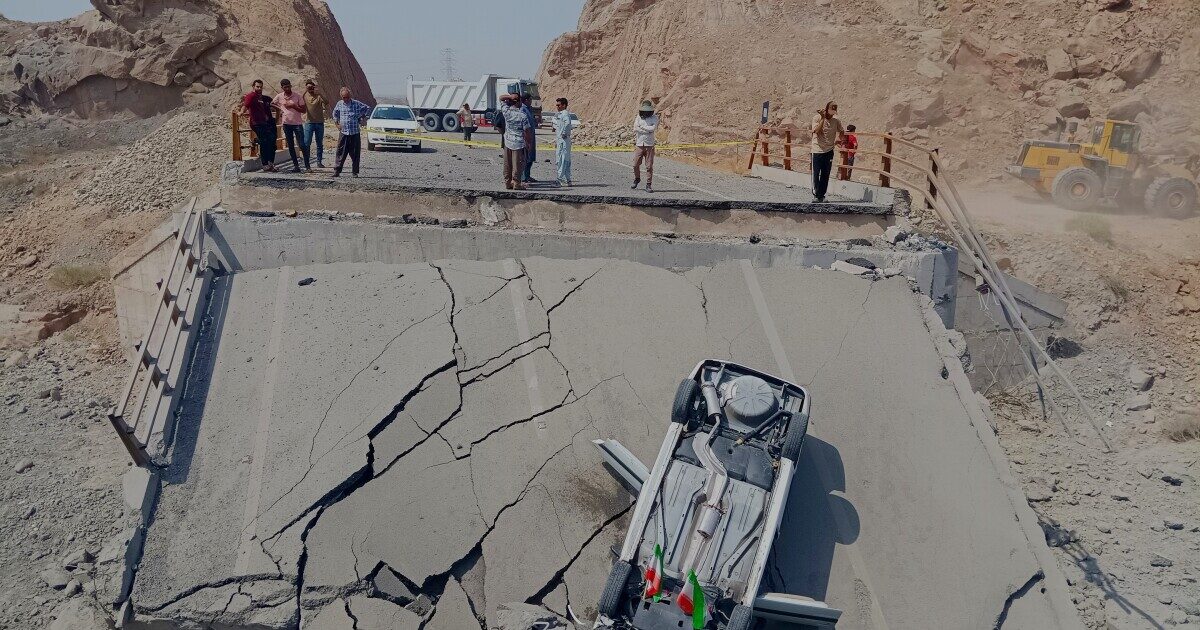
The current military campaign, entering its second week, originated from disputes over control of the strategic Strait of Hormuz. U.S. forces have focused their strikes on critical infrastructure in Iran, including bridges and power facilities, while Iran has retaliated by targeting its U.S.-allied neighbors in the Middle East.
On Sunday morning, air defenses were activated in Kuwait, Jordan, and Bahrain in anticipation of incoming Iranian drones and missiles. Israel has issued warnings that missiles directed at Jordan could inadvertently strike its territory, marking a significant escalation in hostilities.
In the wake of the recent U.S. airstrikes, which included attacks on Iranian military installations and coastal surveillance capabilities, the U.S. Central Command reported that the objective was to diminish Iran's operational capabilities in the Strait of Hormuz and to retaliate against the Islamic Revolutionary Guard Corps, which oversees Iran's missile arsenal.
Recent casualties reported by the U.S. military include two service members killed in an Iranian attack on a base in Jordan, with additional injuries among American troops since the conflict reignited. Iranian officials have claimed that U.S. strikes resulted in significant casualties and damage on their side, although specific details regarding losses remain unverified.
Jordan's military confirmed that it successfully intercepted several Iranian missiles, preventing any casualties or damage. However, the threat of escalation into a broader conflict involving Israel remains a concern as hostilities continue.
In Kuwait, attacks on civilian infrastructure, including power and water desalination facilities, have raised alarms about the humanitarian impact of the ongoing military actions. The Gulf Cooperation Council has condemned Iran for these strikes, labeling them as war crimes under international humanitarian law.
As the situation develops, regional allies remain on high alert, and the potential for further escalation looms large.
Reported by HarborBeat based on WMAR-2 News (source).
0 Comments
Log in to join the conversation.